The Power of Place - Dance Photography in Nature: Tips for Dancers and Photographers | Los Angeles Dance Photographer
The Power of Place, Part 2
Welcome to Part 2 of The Power of Place — a series exploring how environment transforms dance photography.
If Part 1 was all about rhythm in the city — where structure and symmetry meet movement — this chapter steps into something softer: the connection between dancer and nature. Here, the lines are fluid, the light ever-changing, and the air itself becomes a partner in the performance.
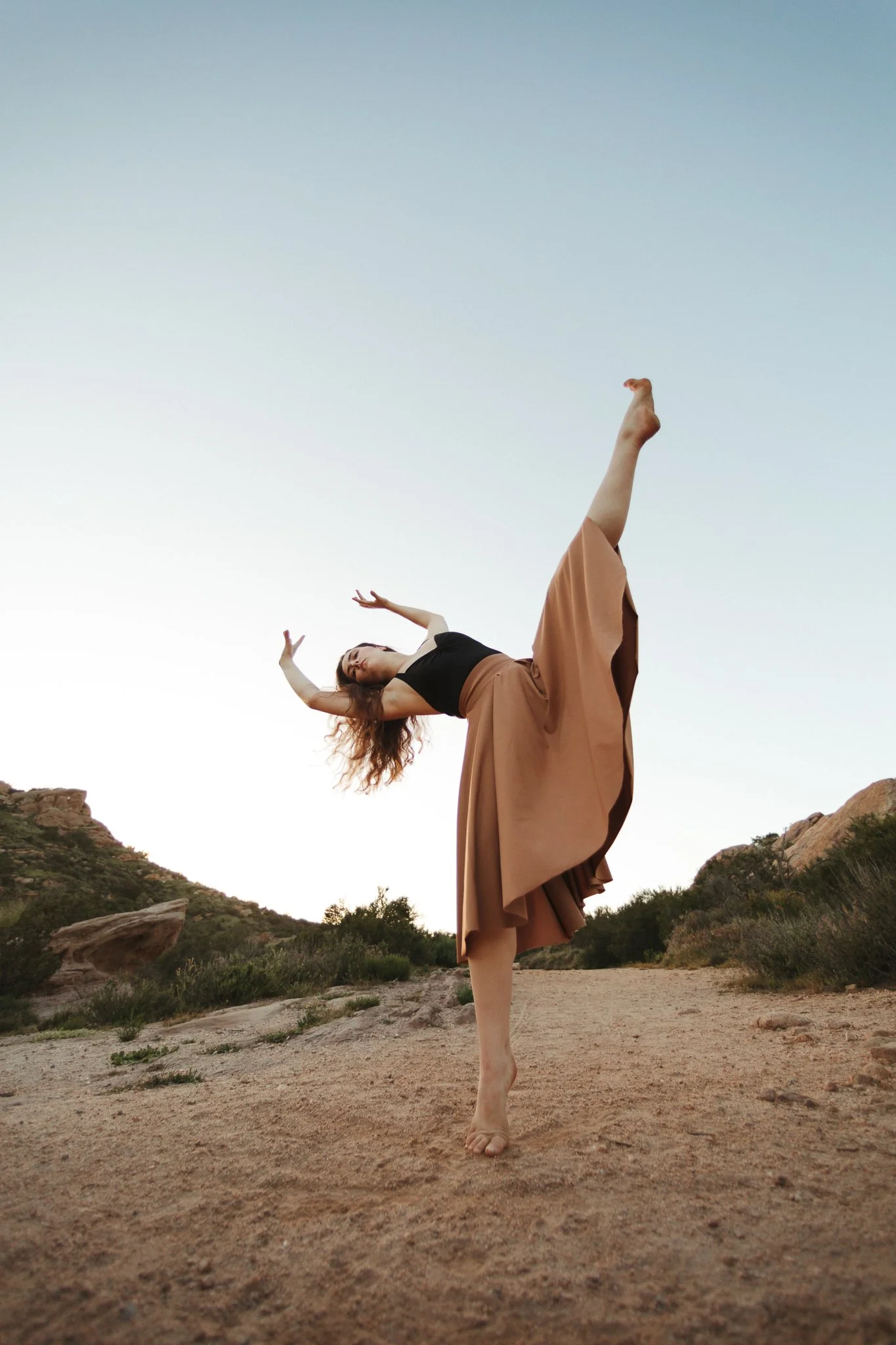
As a Los Angeles dance photographer, I’m endlessly drawn to how dancers adapt to the natural world — how a gust of wind shifts their movement, how the sand beneath their feet alters balance, how the warmth of the sun infuses the moment with a quiet glow. Shooting outdoors is about surrender as much as creation.
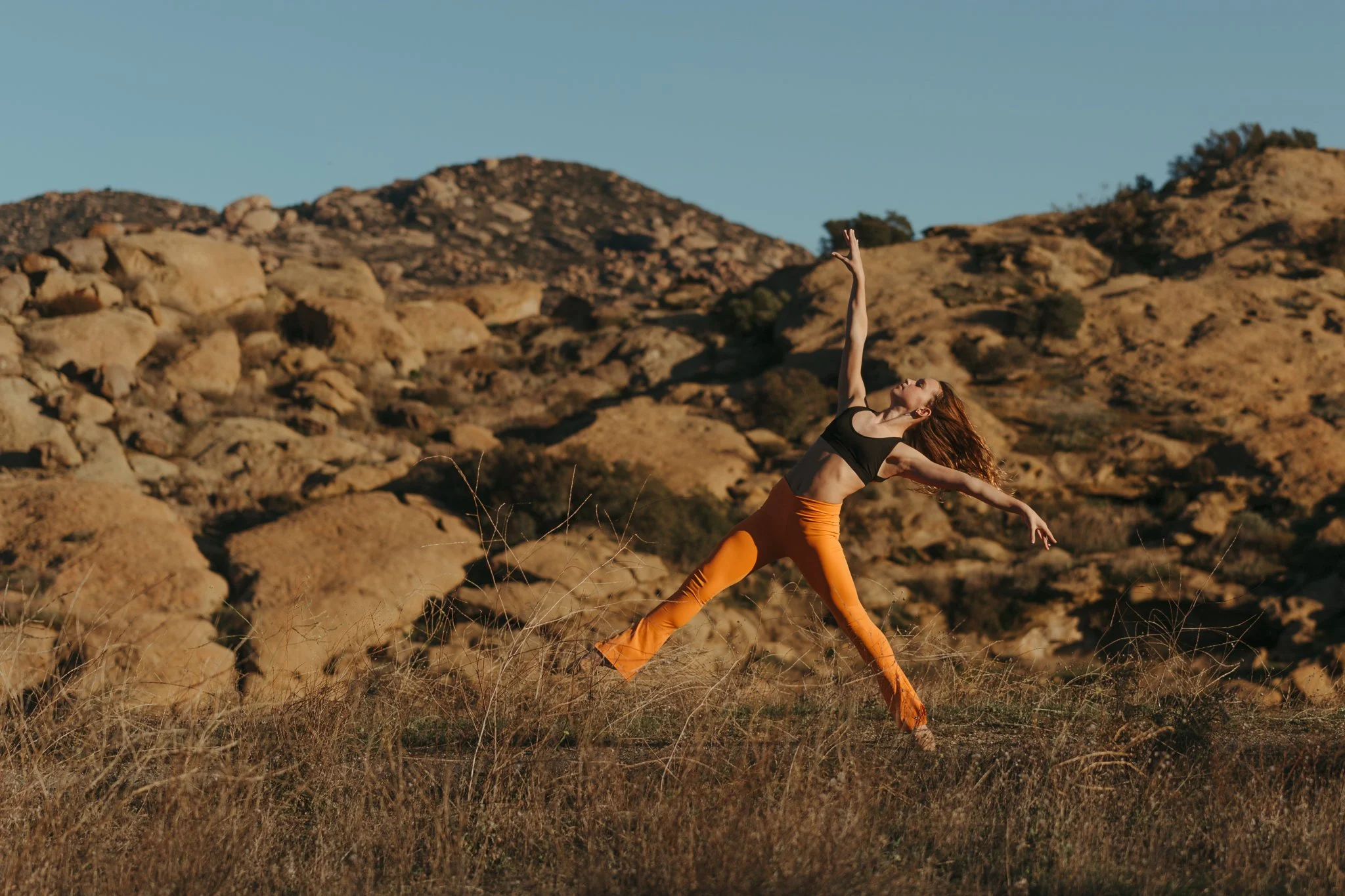
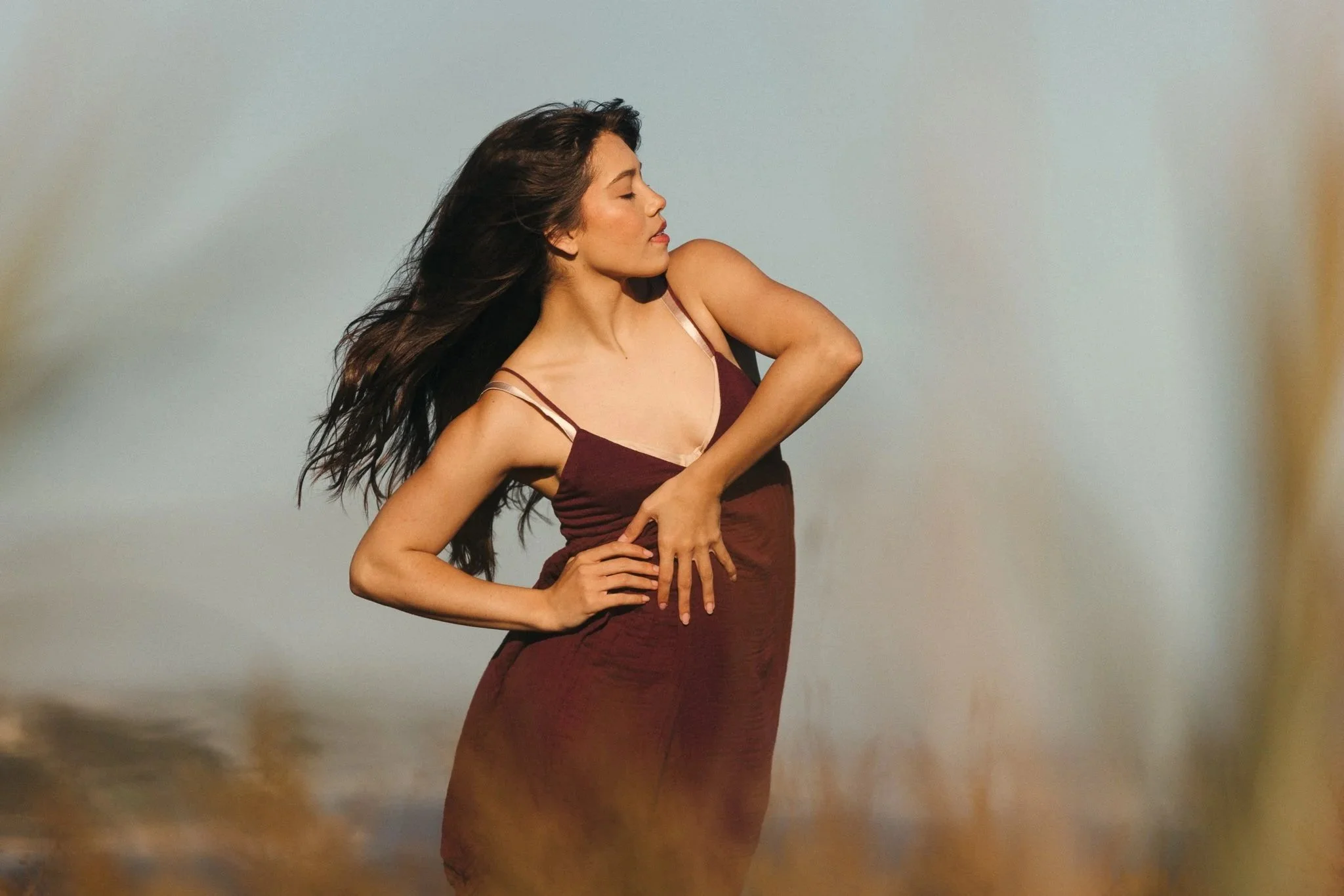
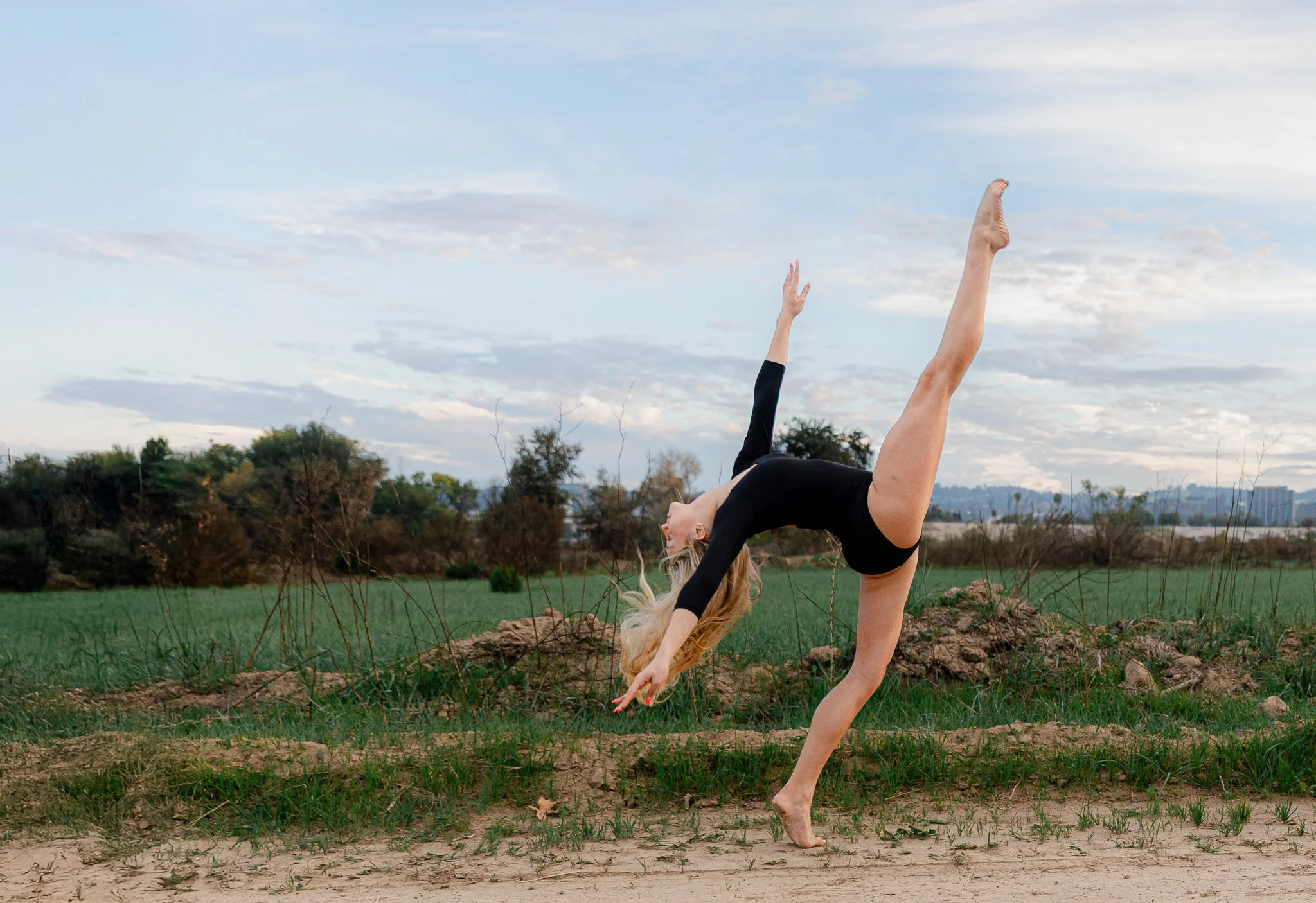
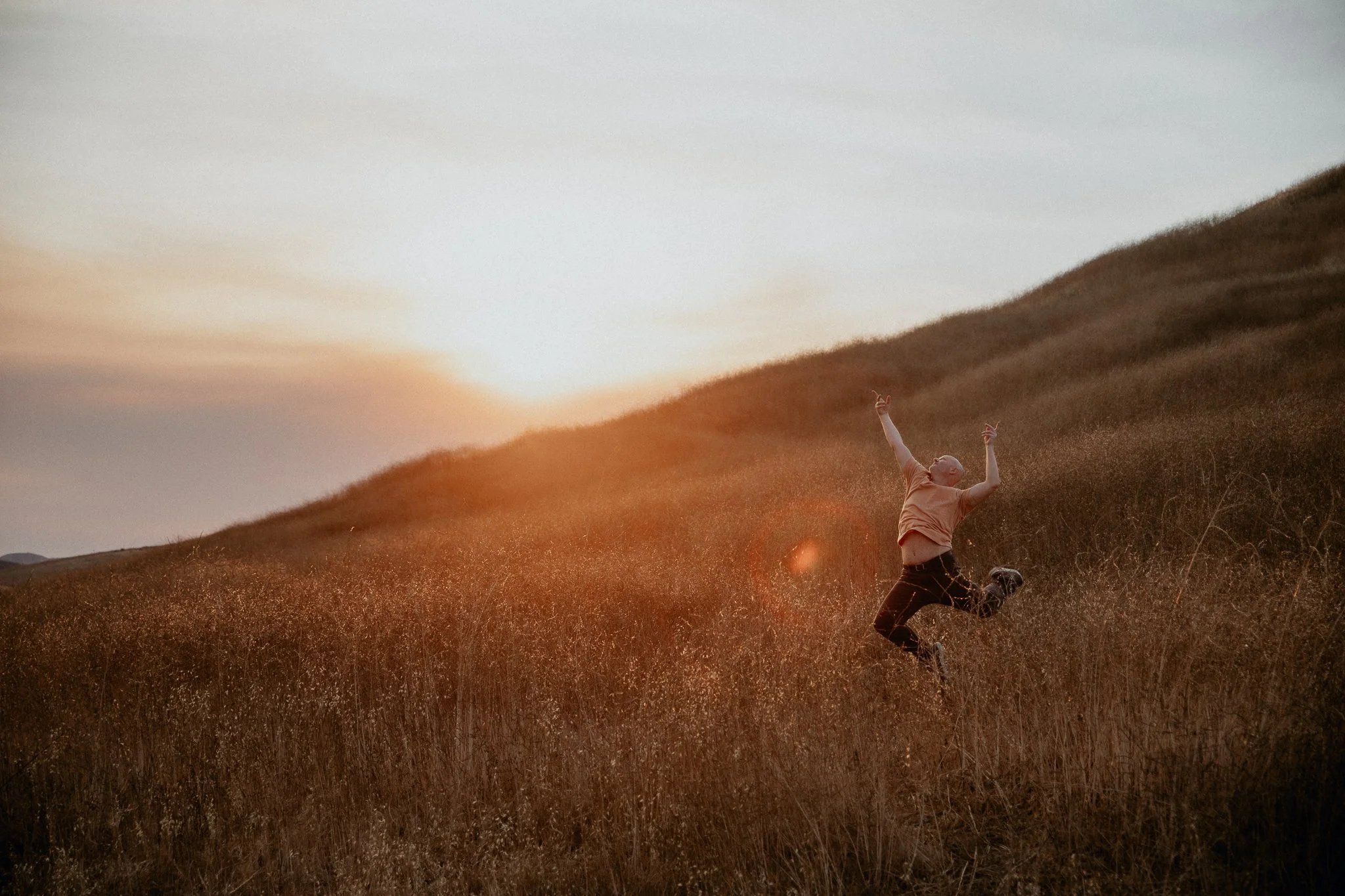
The Language of Light and Air
Natural light is a living thing — dynamic, unpredictable, and breathtakingly beautiful when used well. Morning light brings softness and introspection, while late afternoon sunlight casts warmth and drama.
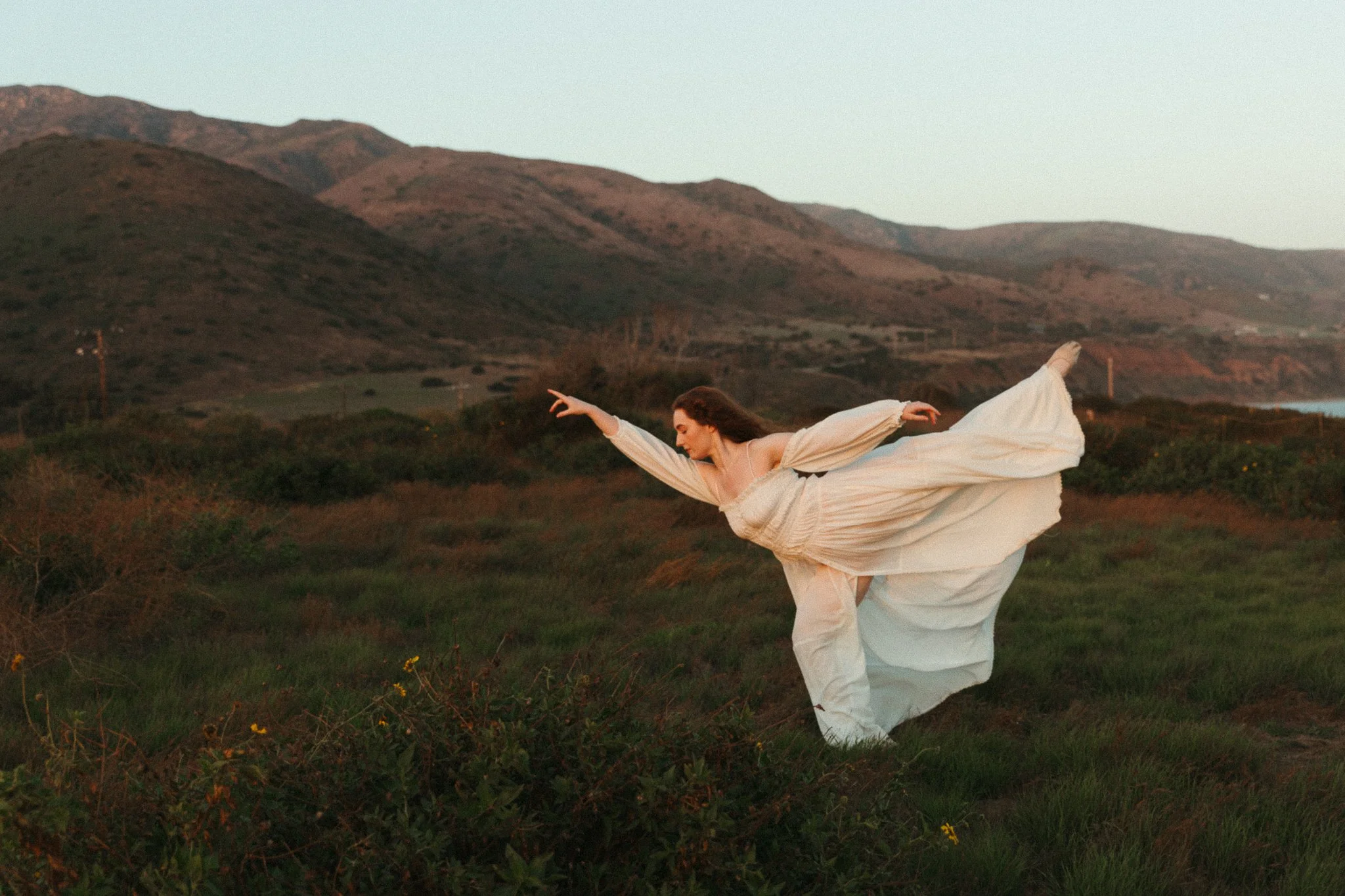
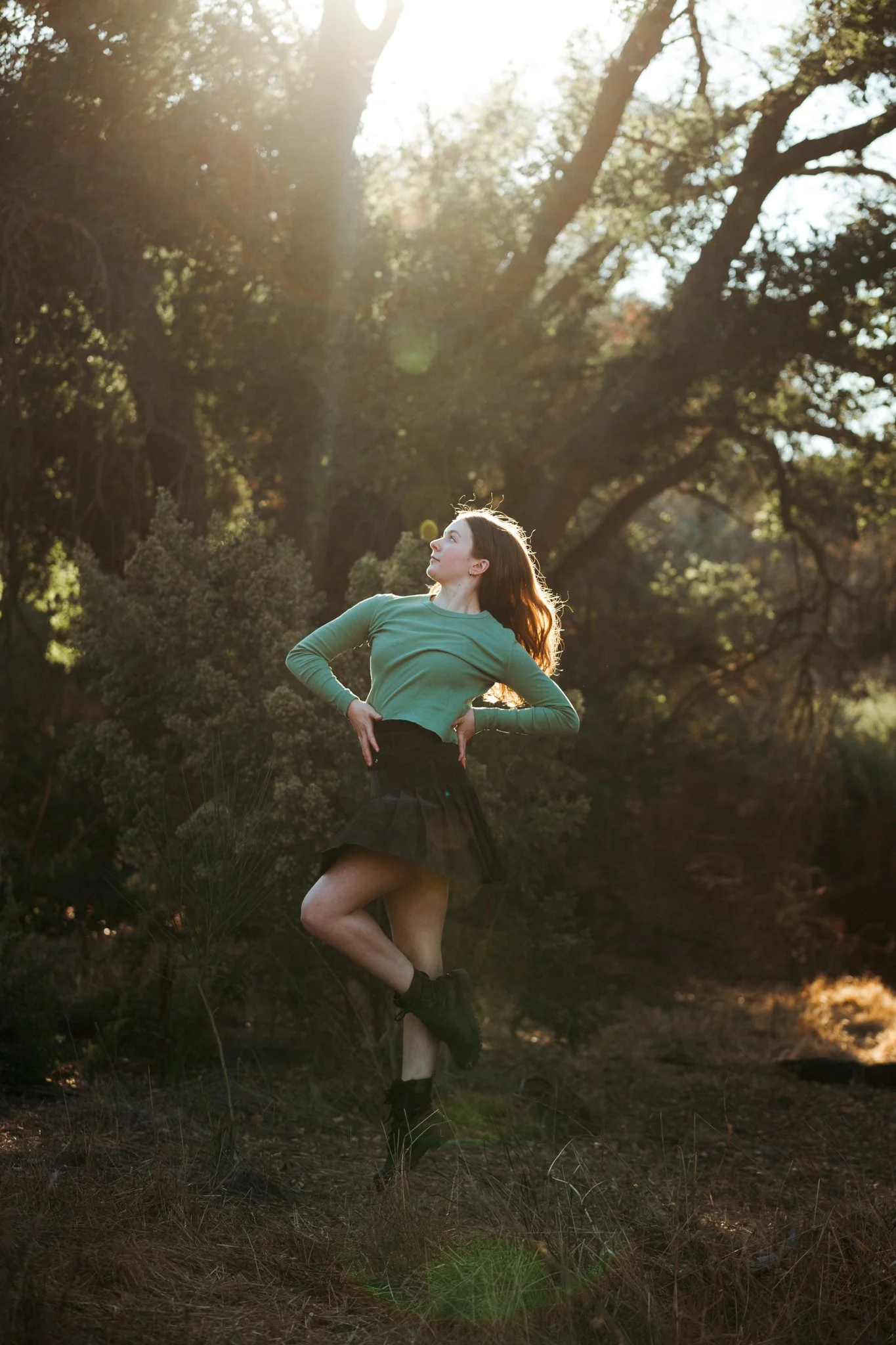
Photographer Tip: Use the direction of the light to shape emotion. Backlight creates glow and silhouette, while side light carves depth and dimension. Don’t fight changing conditions; let clouds and shifting hues guide the tone of your images.
Dancer Tip: Let the light touch you. Turn toward it, move through it, or use it as a cue to transition between emotions. The light is part of your choreography.
Grounded Movement, Expansive Emotion
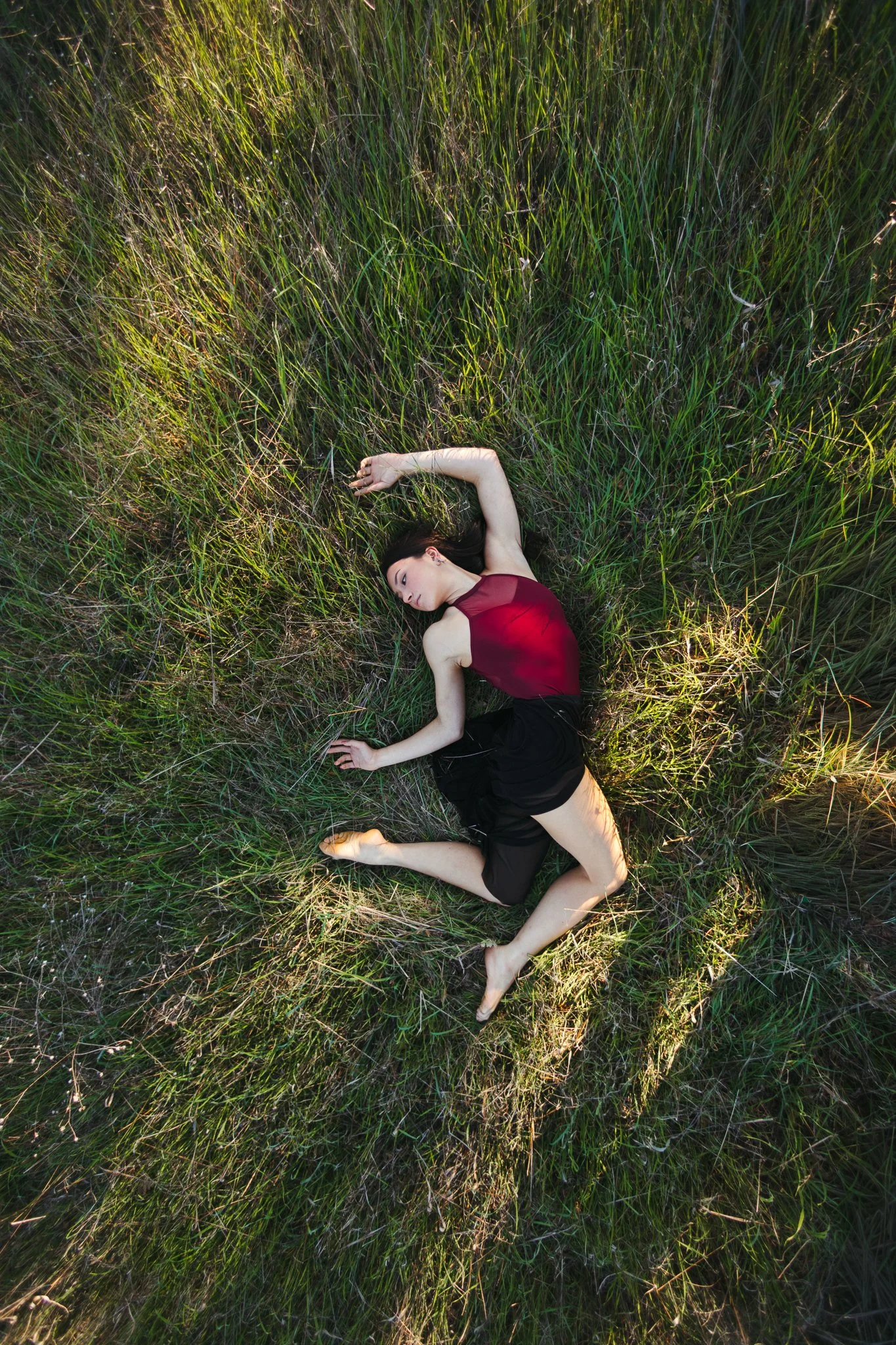
When dancers move in natural settings, there’s a tangible connection between the body and the earth. Whether it’s sand, grass, or stone, each surface changes how movement feels and looks.
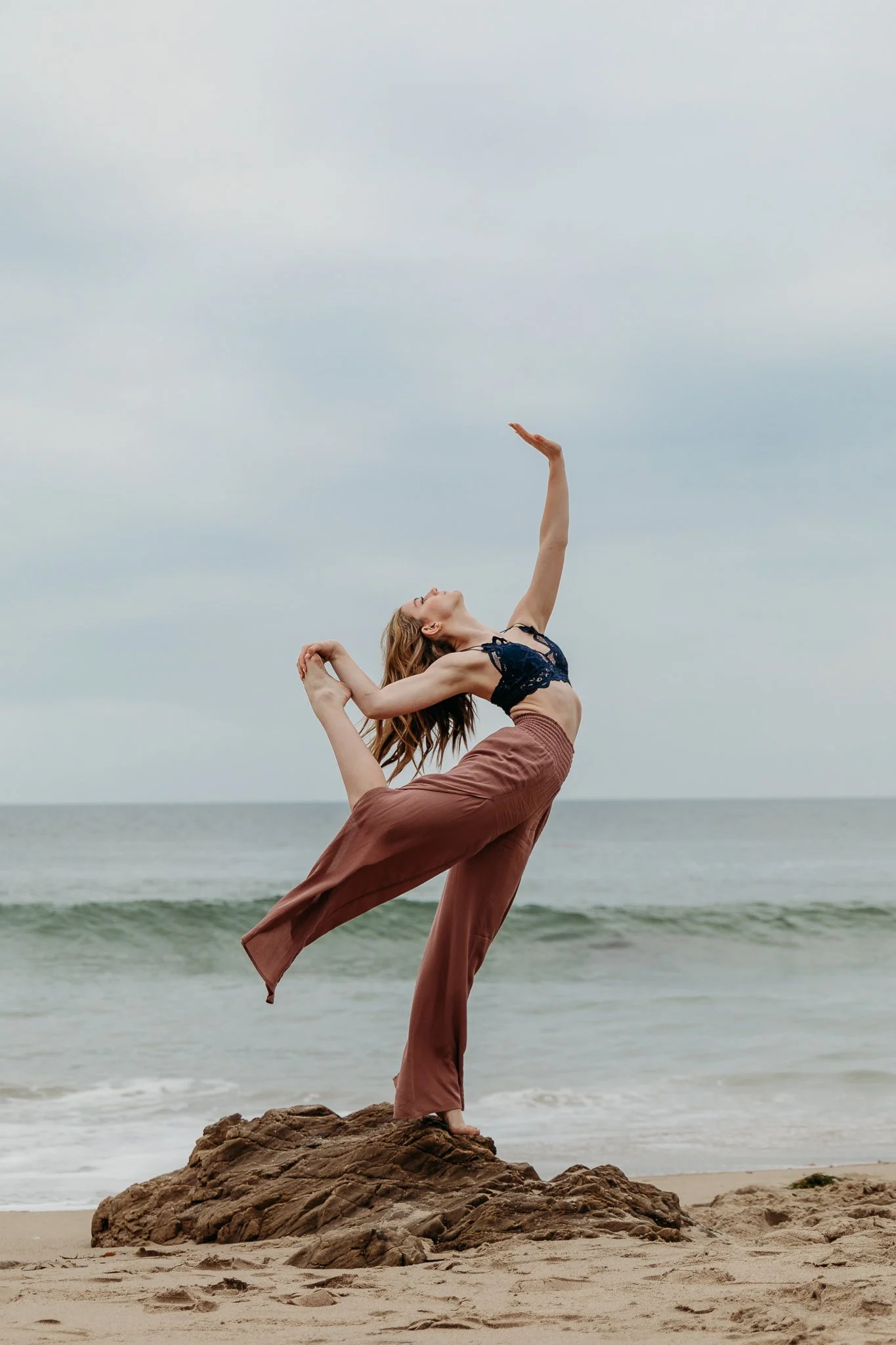
Dancer Tip: Tune in to your footing and find stability in the texture beneath you. Each surface requires adjustment — softer knees on sand, firm grounding on rock, delicate placement in grass. Movement begins from that connection.
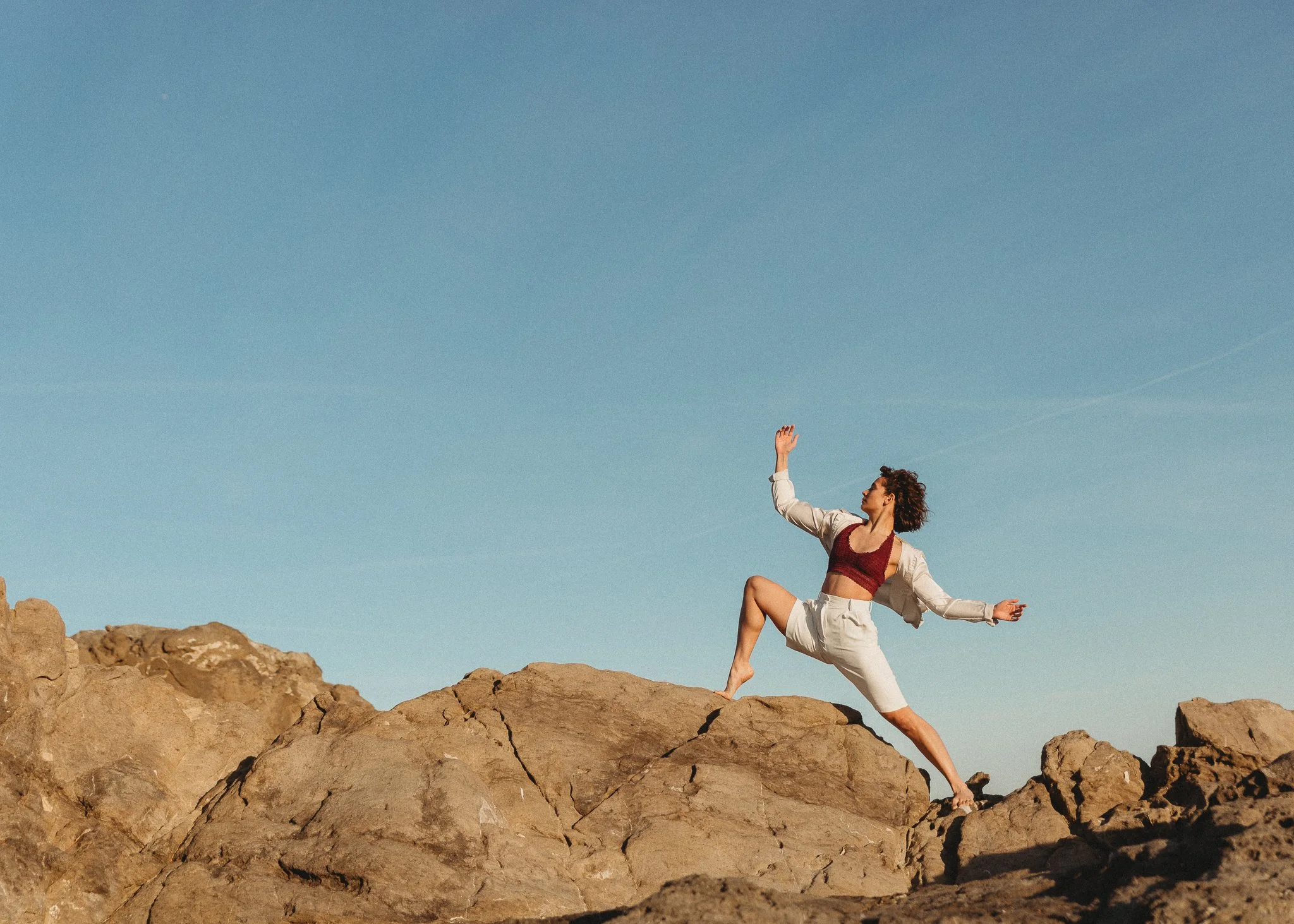
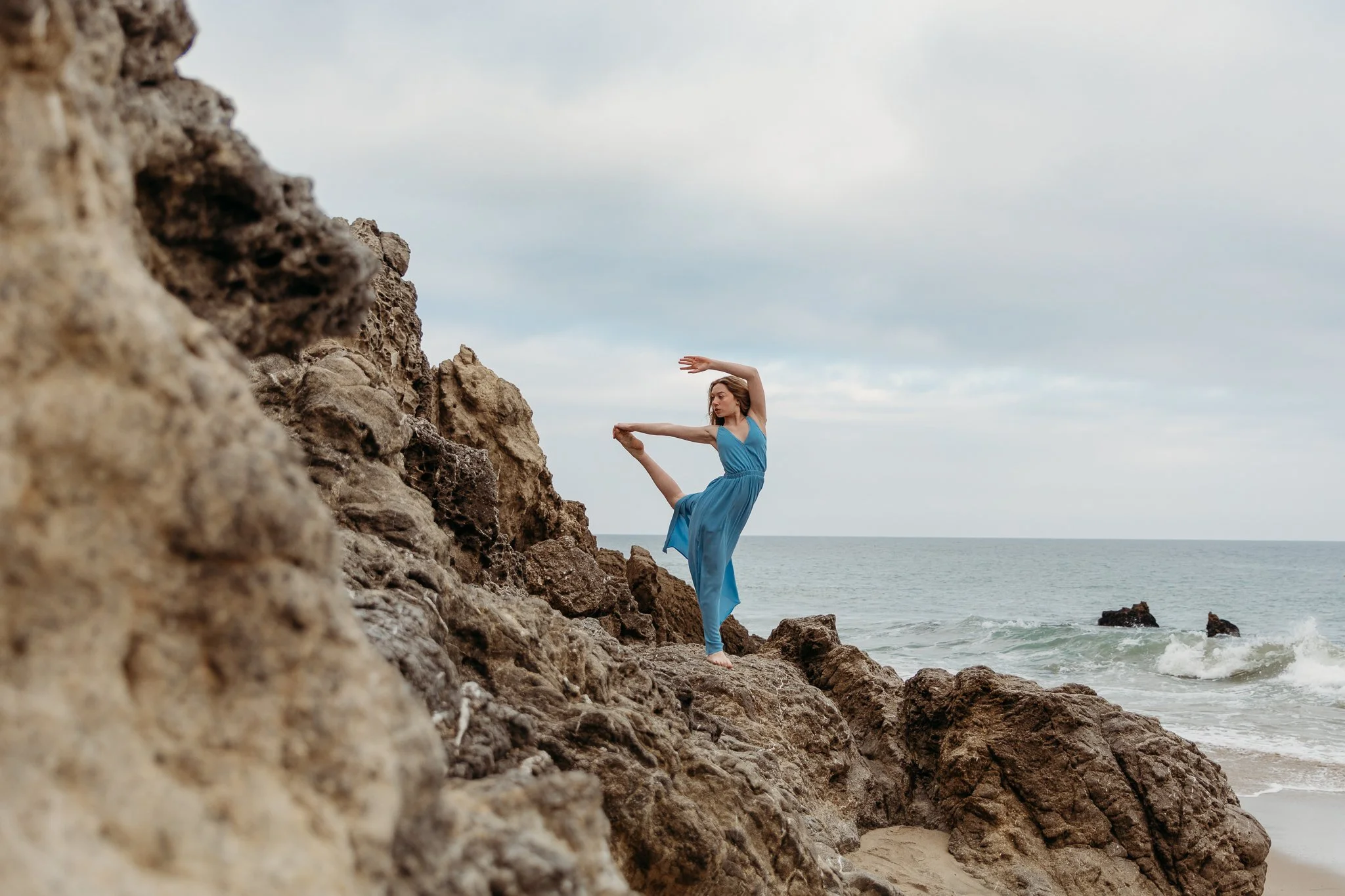
Photographer Tip: Pay attention to how the environment supports or contrasts with the dancer. Wide shots emphasize scale — the dancer small against vast cliffs or open fields — while tighter frames highlight intimacy with the earth.
The Power of the Elements
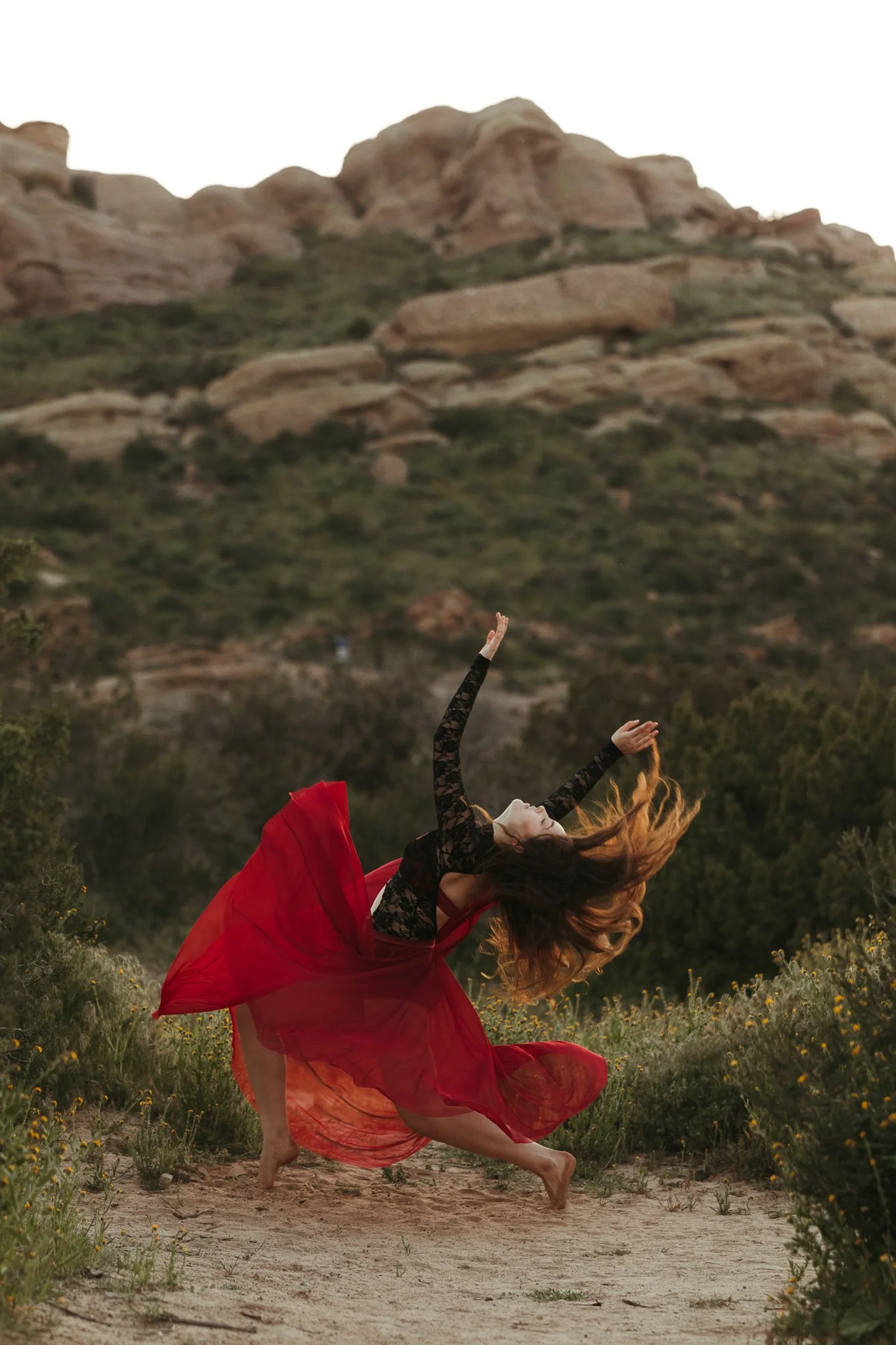
Wind, water, sunlight — these aren’t obstacles, they’re collaborators. The most captivating dance photos often happen when the environment takes over for a moment and adds its own rhythm.
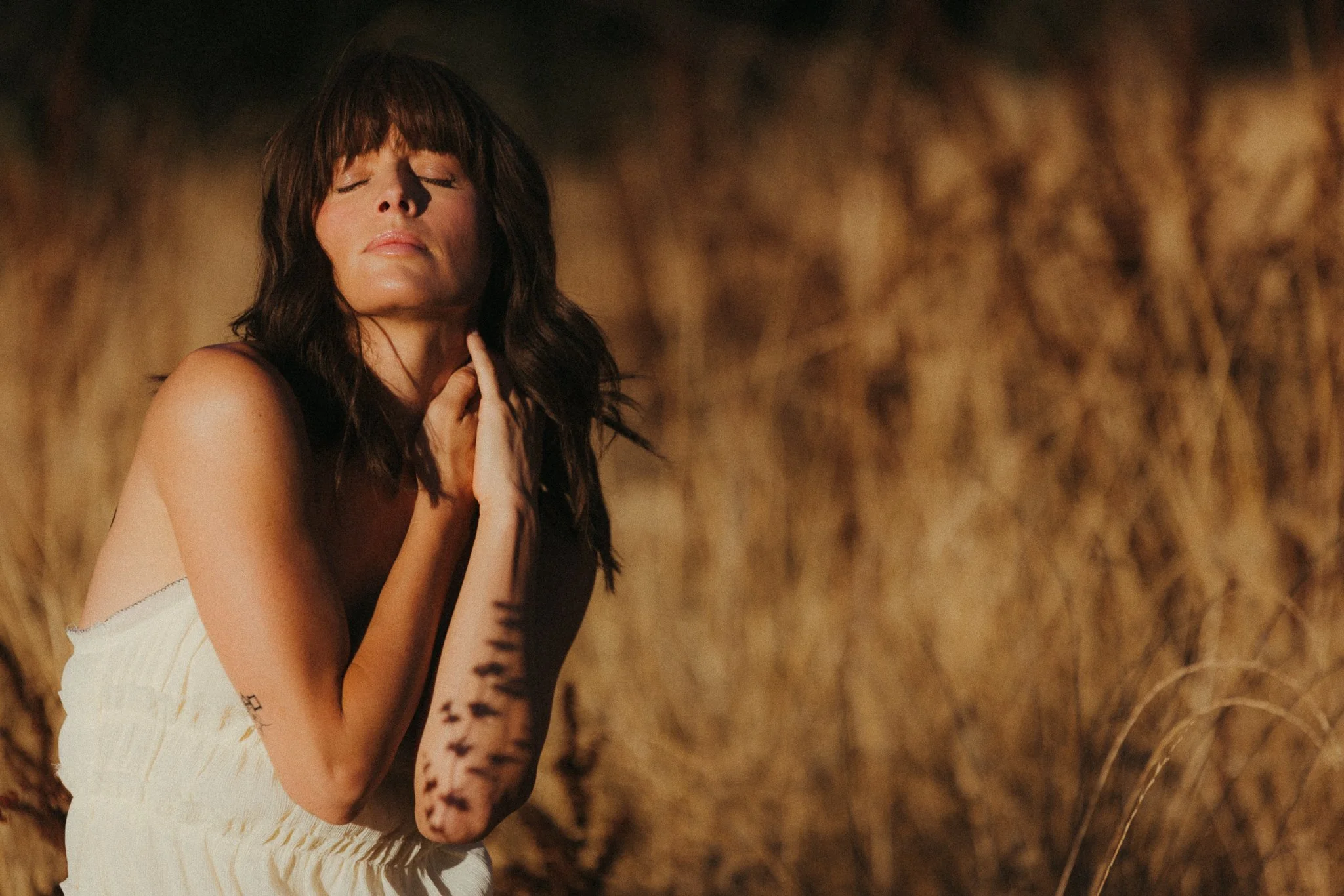
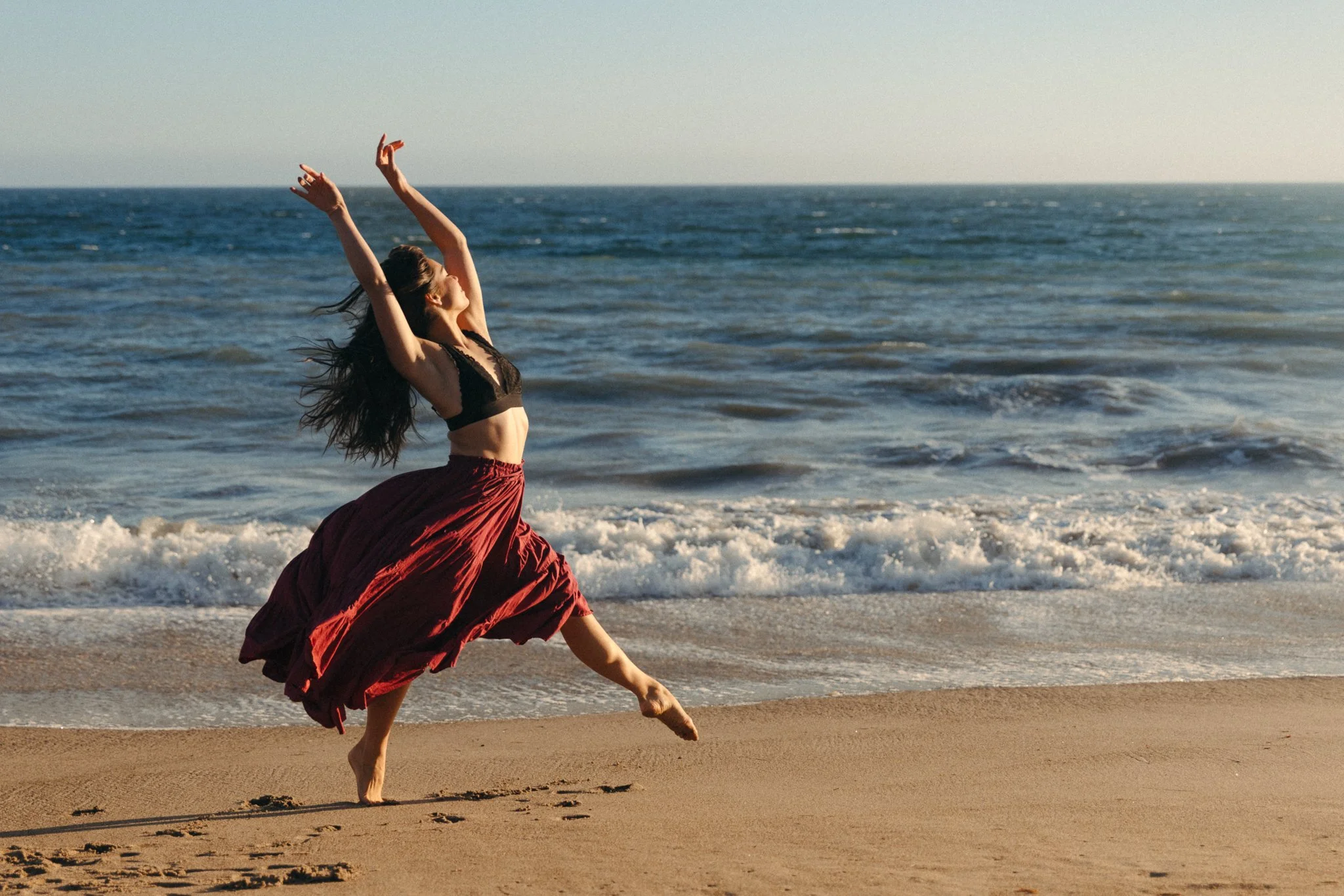
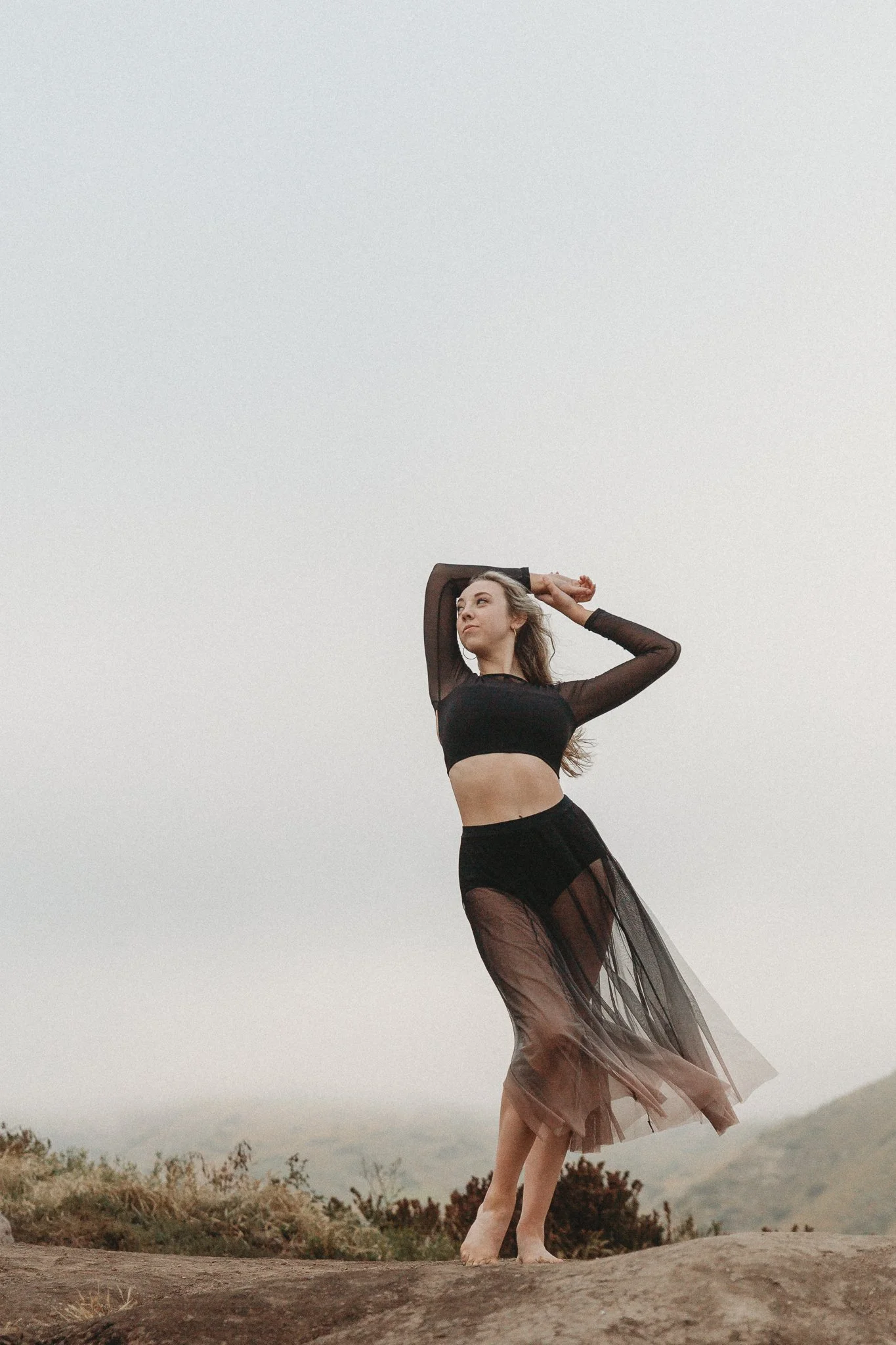
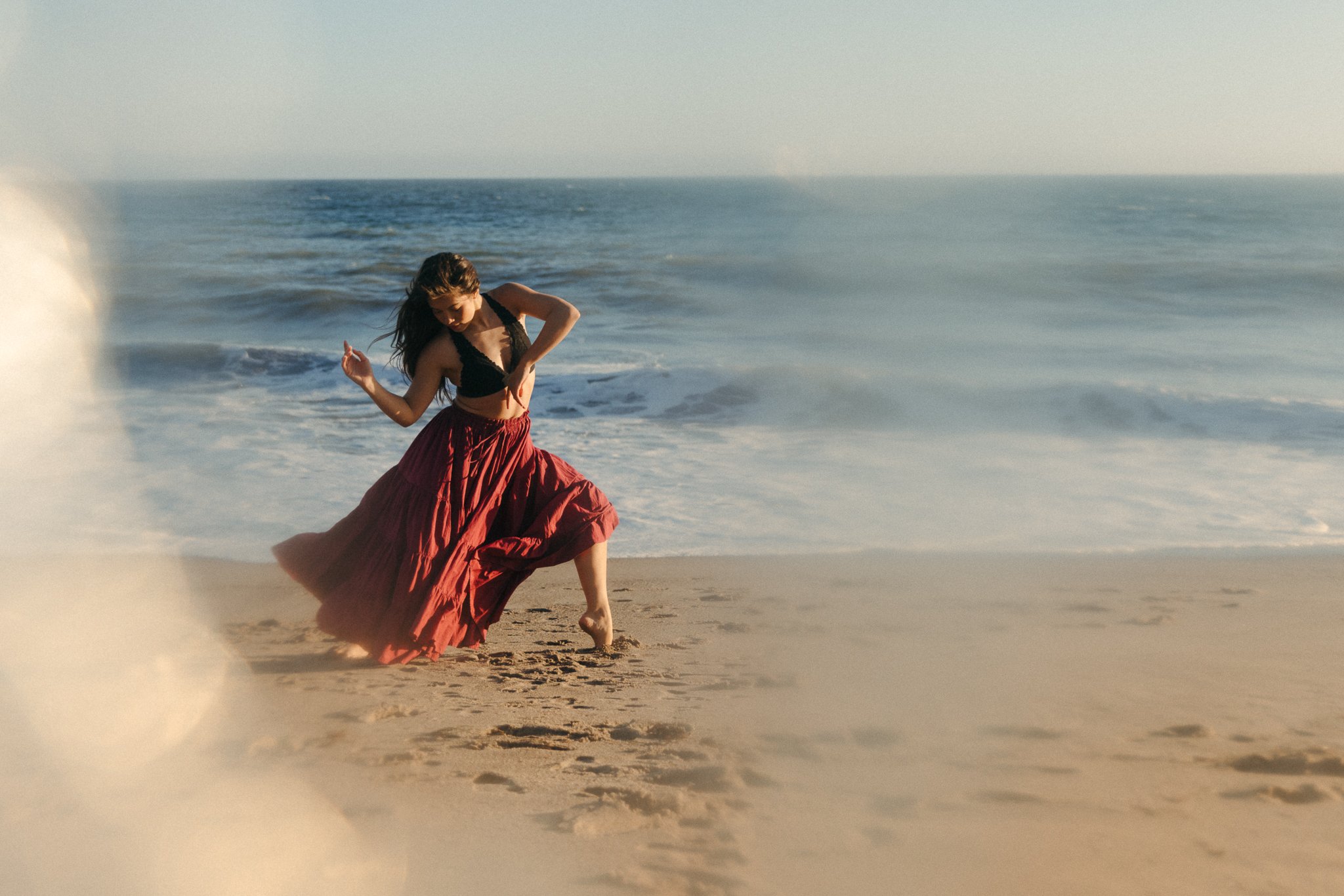
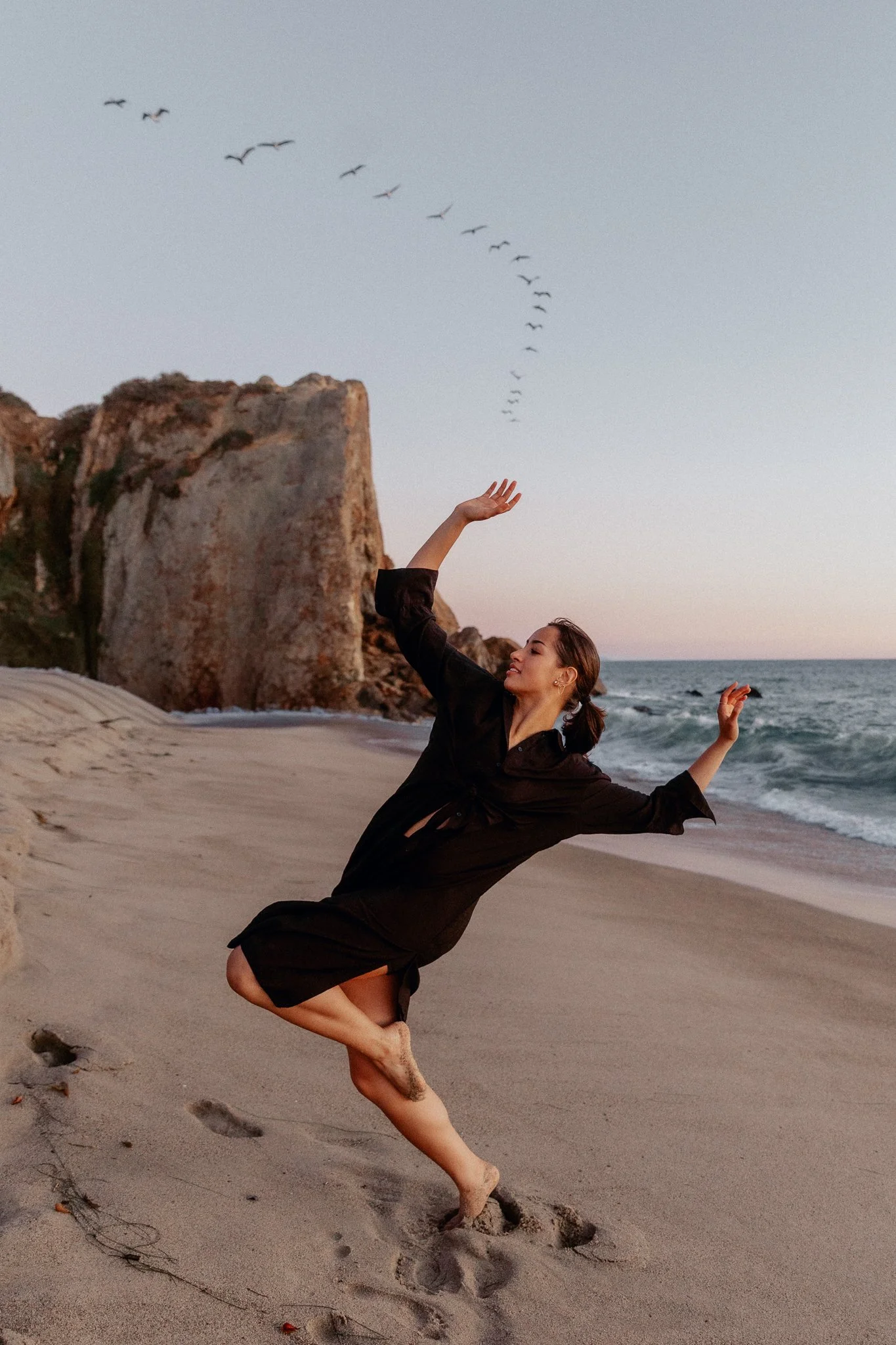
Photographer Tip: Watch for spontaneous interactions: wind in the hair, fabric catching air, reflections in the water. These fleeting elements bring magic to the frame. (Any one that has had a session with me at the beach knows I LOVE birds in photos)
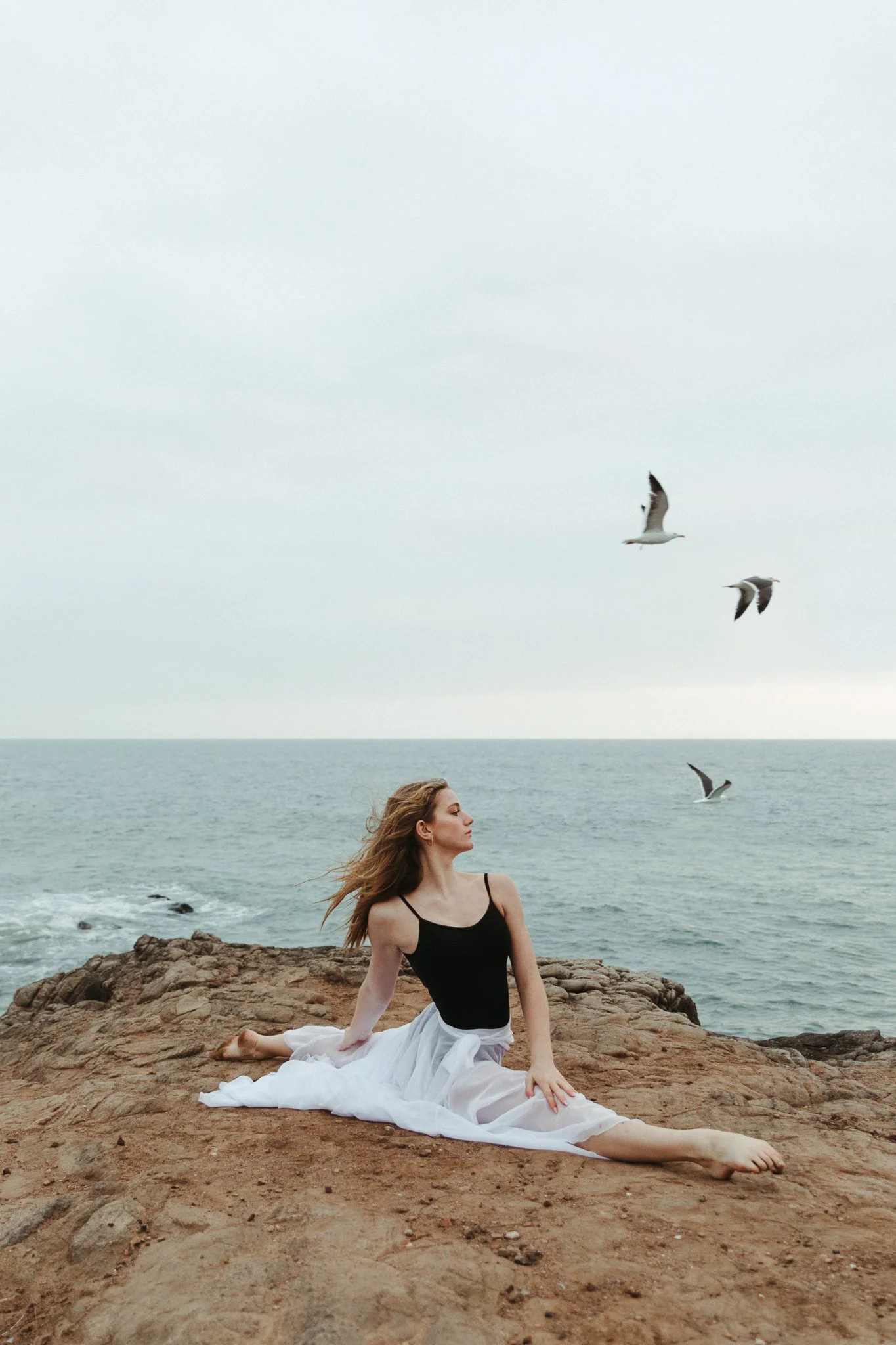
Dancer Tip: Embrace the unexpected. Let the breeze shift your direction or let your skirt follow the current of the wind. Movement that reacts to nature always feels alive.
Framing the Dance: Using Nature as the Foreground
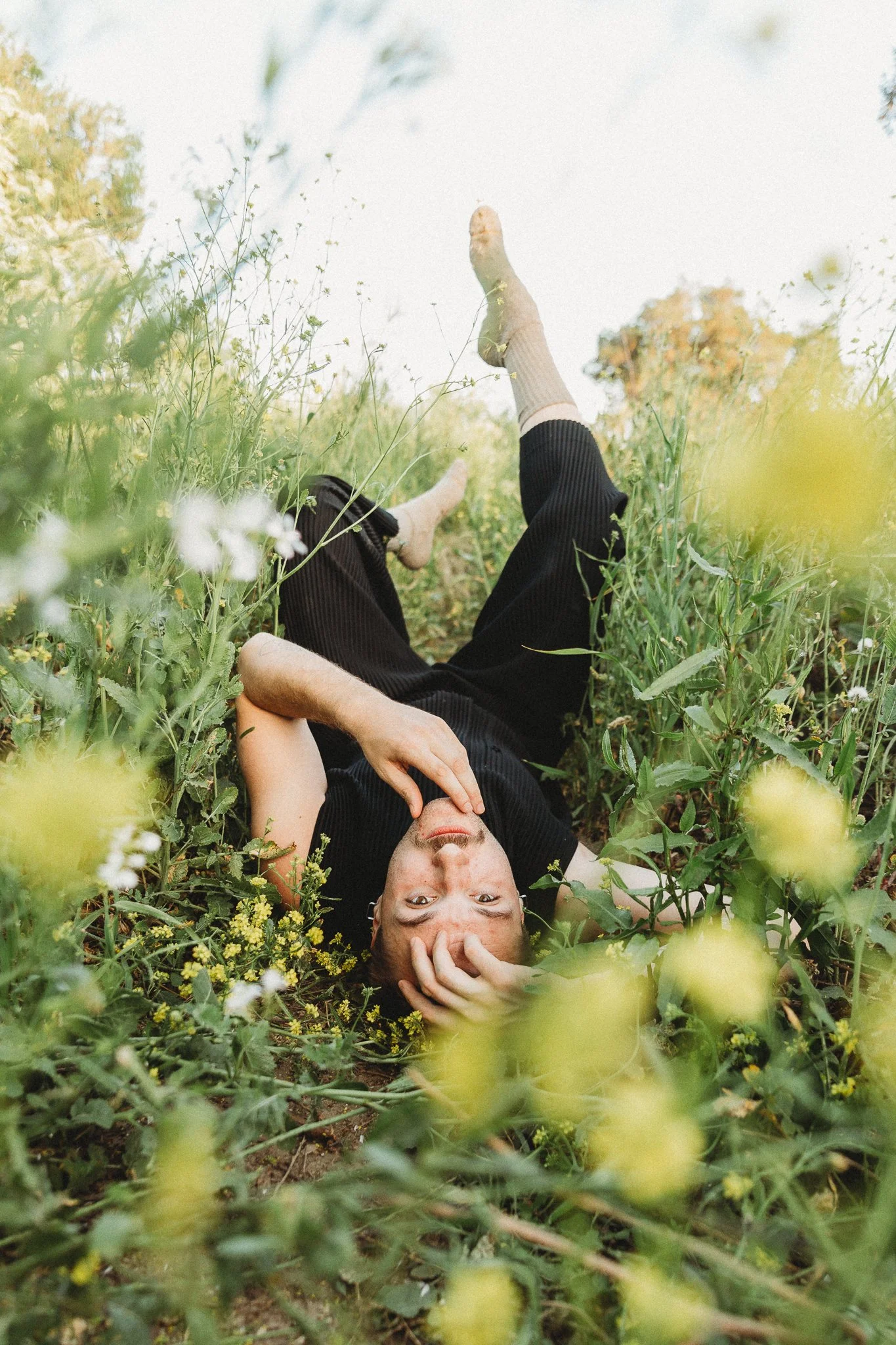
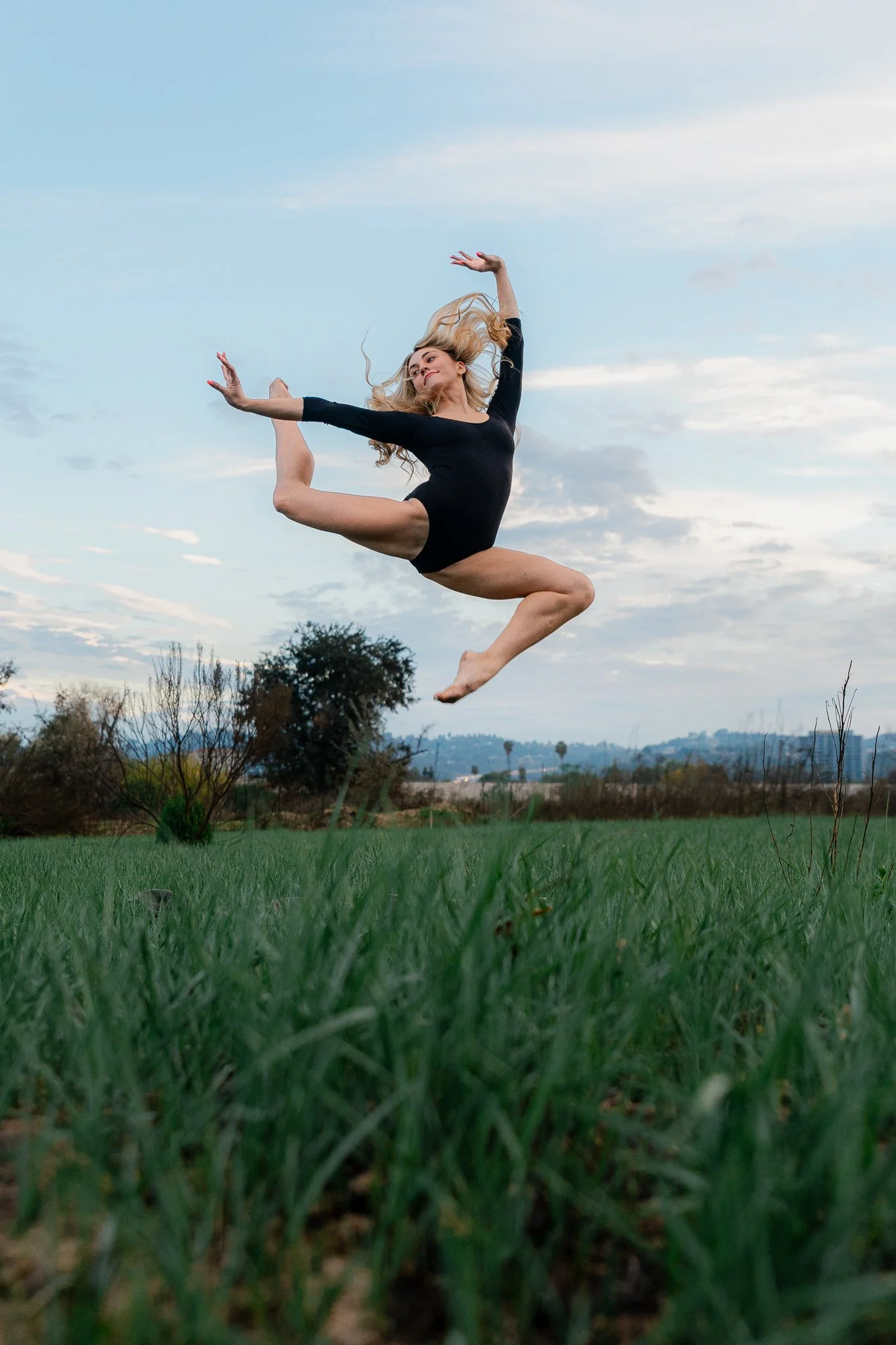
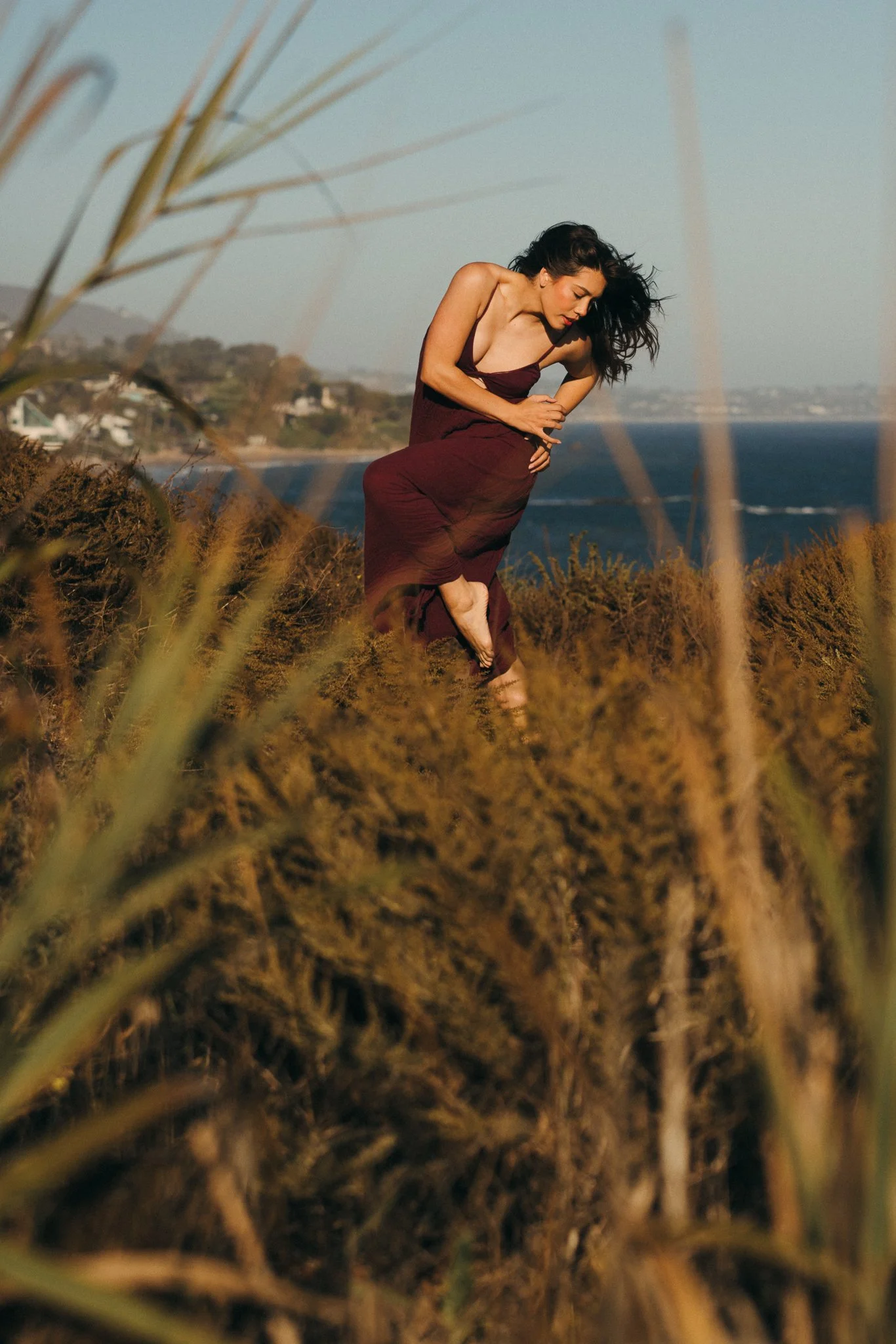
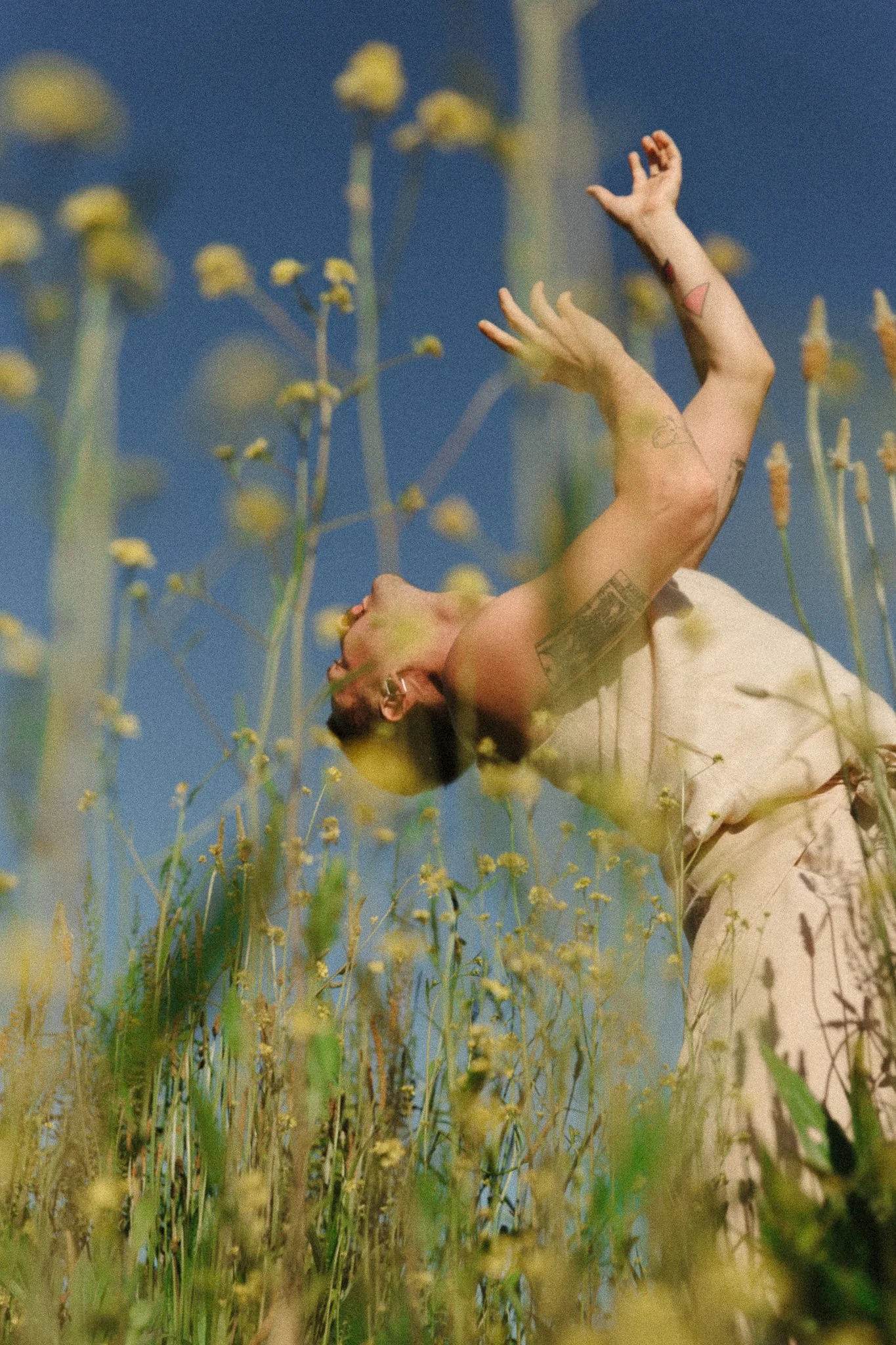
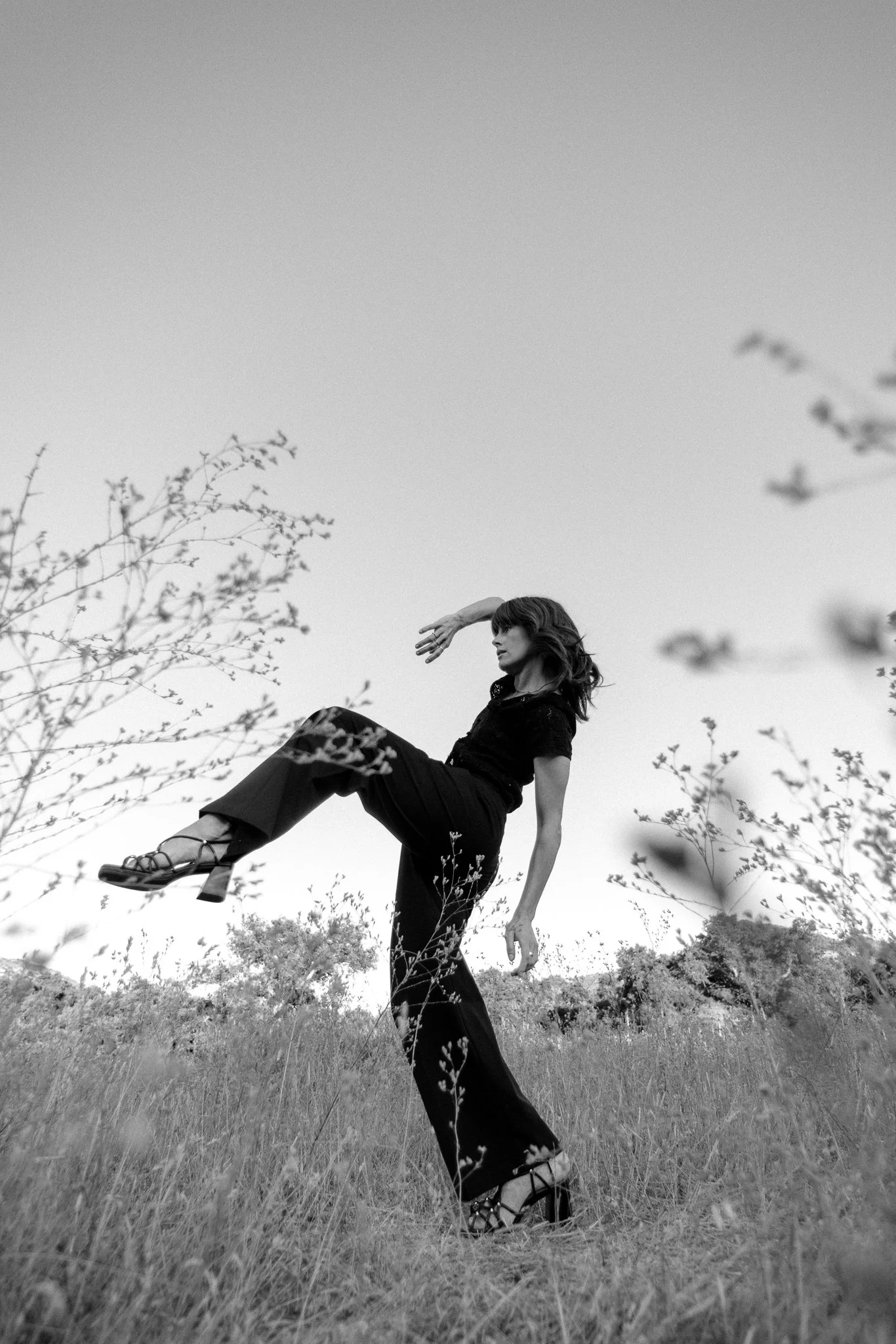
One of my favorite ways to create depth and intimacy in outdoor dance photography is by using the environment not just as a backdrop—but as a frame. Flowers, tall grasses, branches, and leaves can gently enter the foreground, wrapping the dancer in the landscape and drawing the viewer deeper into the image. The image above uses this as well as the images below.
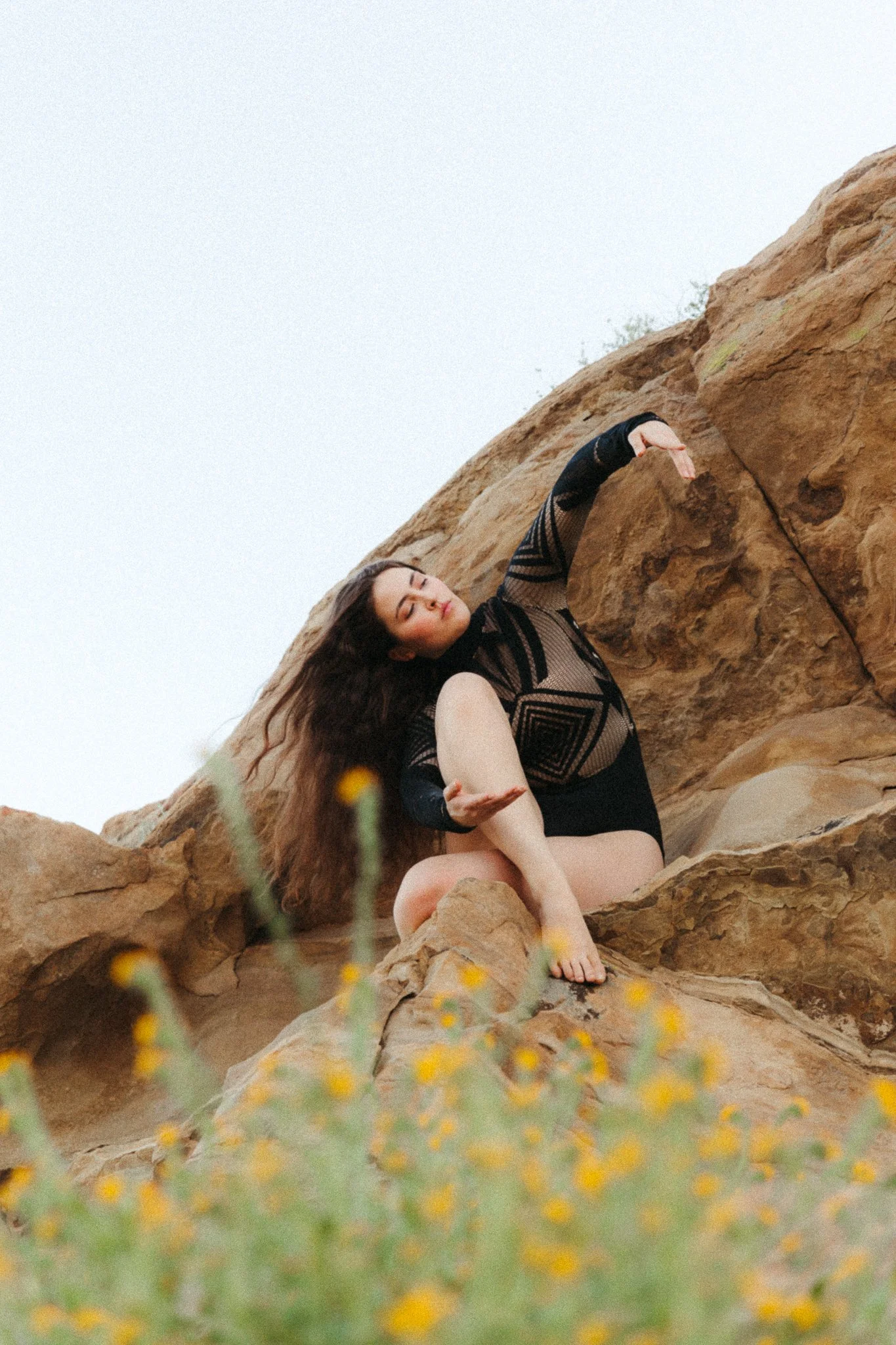
Photographer Tip:
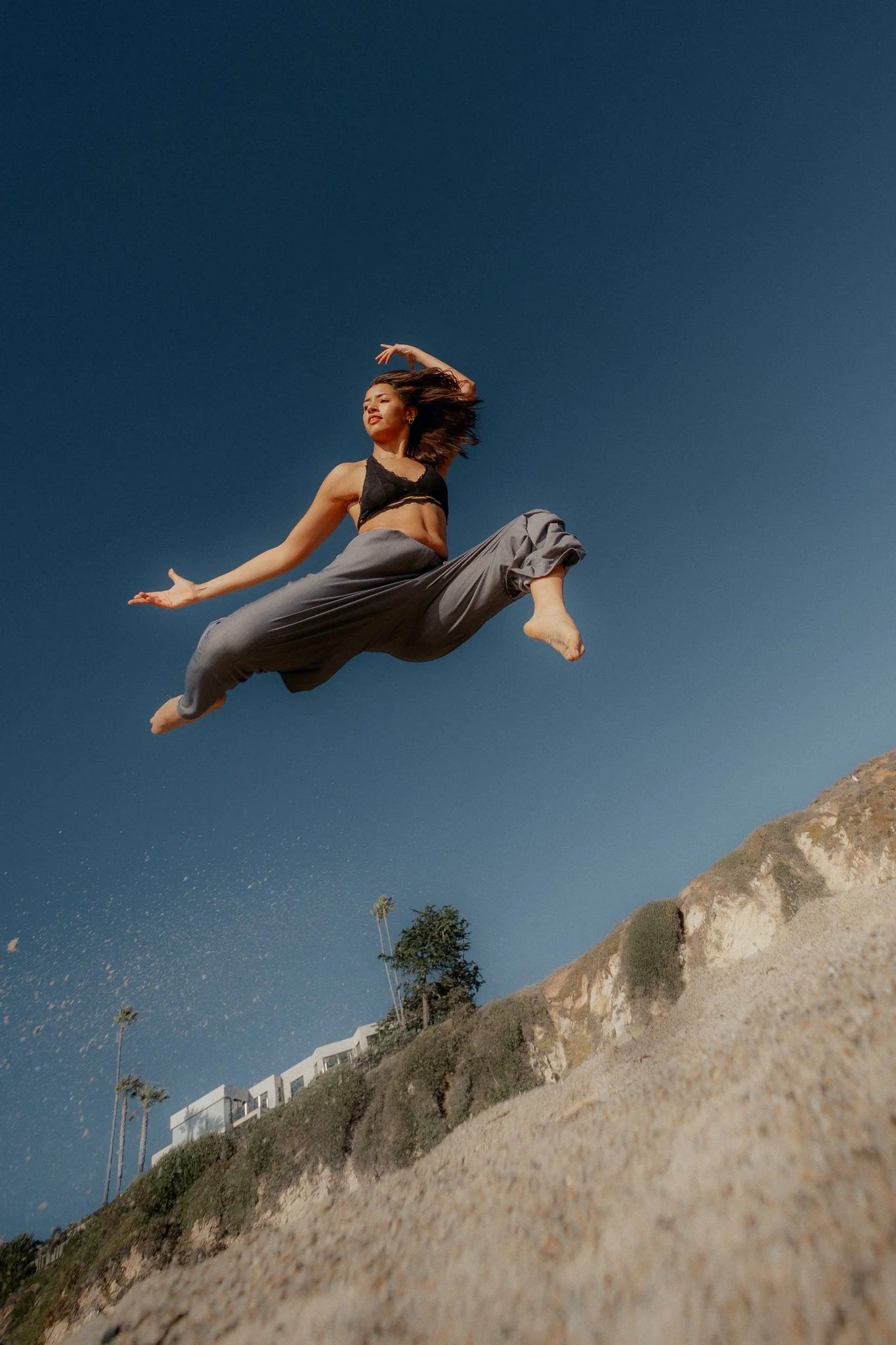
Look for natural elements you can shoot through, not just around. A cluster of wildflowers, a branch catching the light, or grasses softly blurring at the edge of the frame can add texture, movement, and a cinematic sense of place. These layers help create images that feel immersive rather than staged. Bonus if you have a really short lens (like a 14 mm), then you can get low and create really dramatic images using those natural elements, like the one below.
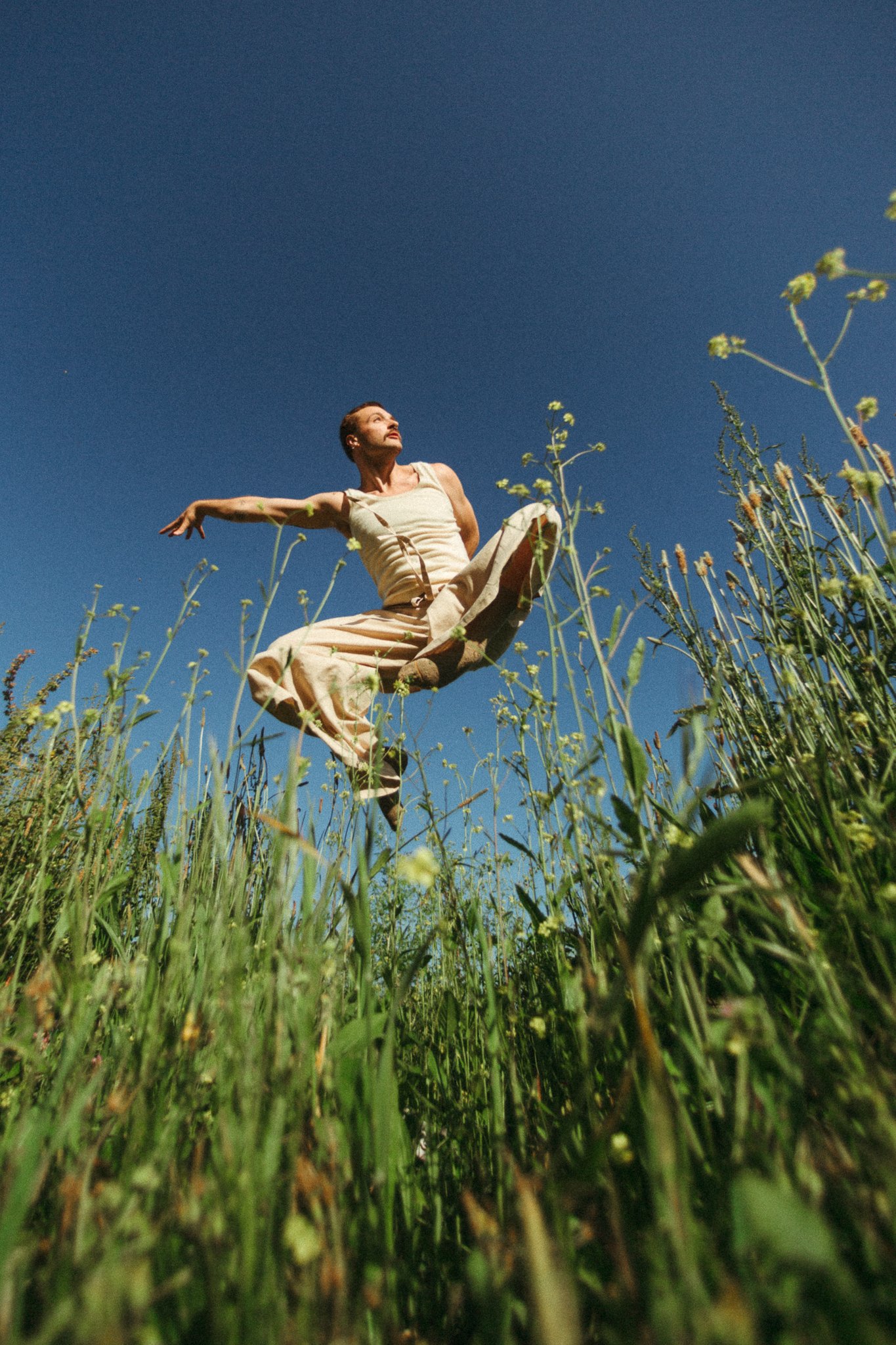
Dancer Tip:
This is where trust comes in. When you’ve chosen a photographer whose work you love, allow yourself to surrender to the process—even when you can’t fully see what’s happening in front of the lens. Trust that the leaves brushing into the frame or the flowers partially obscuring the view are intentional, and that your photographer is shaping the image with care.
(If you’re still searching for that trust, I share more about finding the right photographer CLICK HERE for a blog post about finding your dance photographer.)
Often, the most powerful images come from collaboration—when the dancer stays present in their movement and the photographer shapes the visual story around them.
Wardrobe and Color in Nature
Choosing the right wardrobe for an outdoor dance photoshoot can elevate the entire experience.
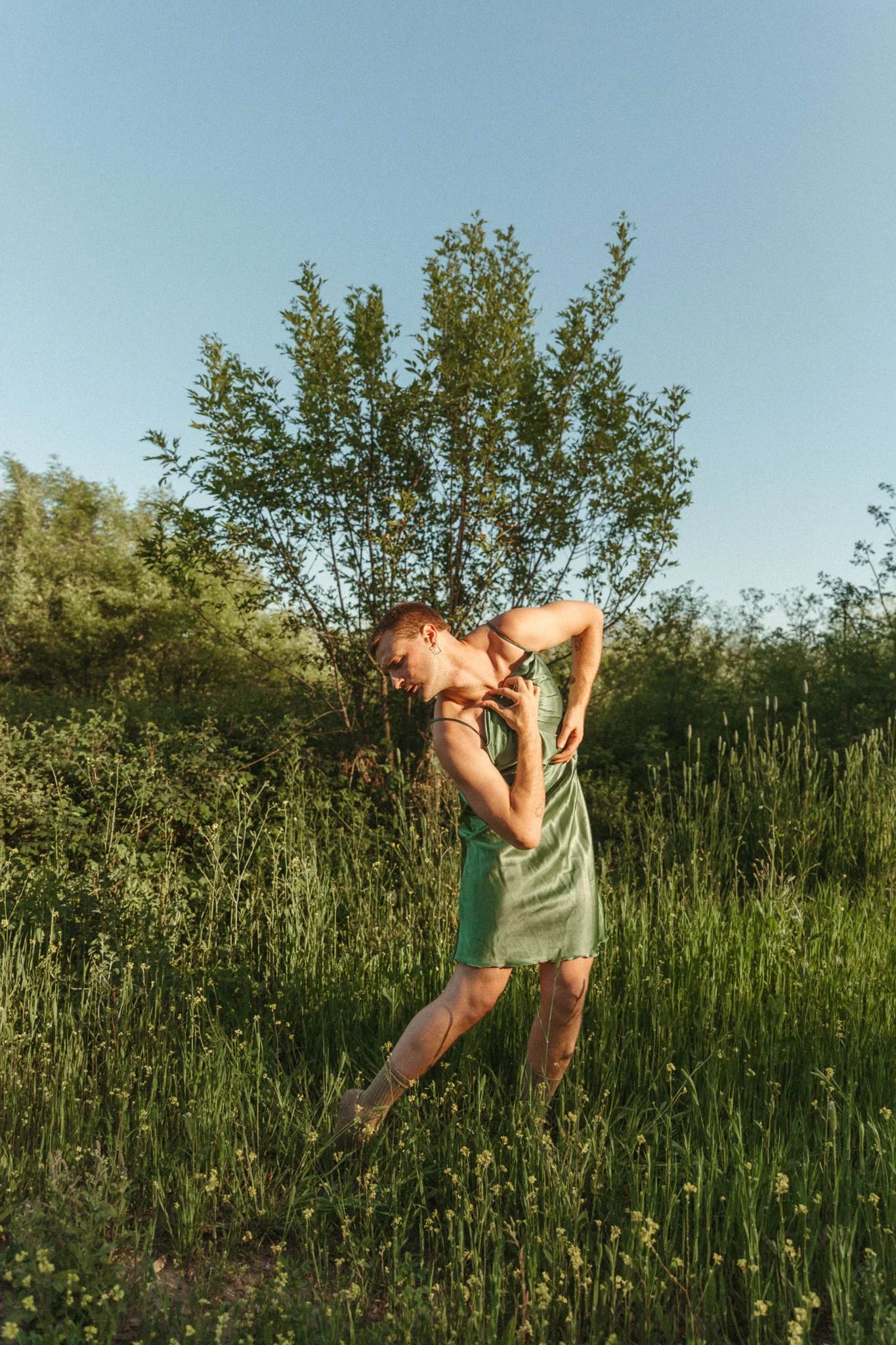
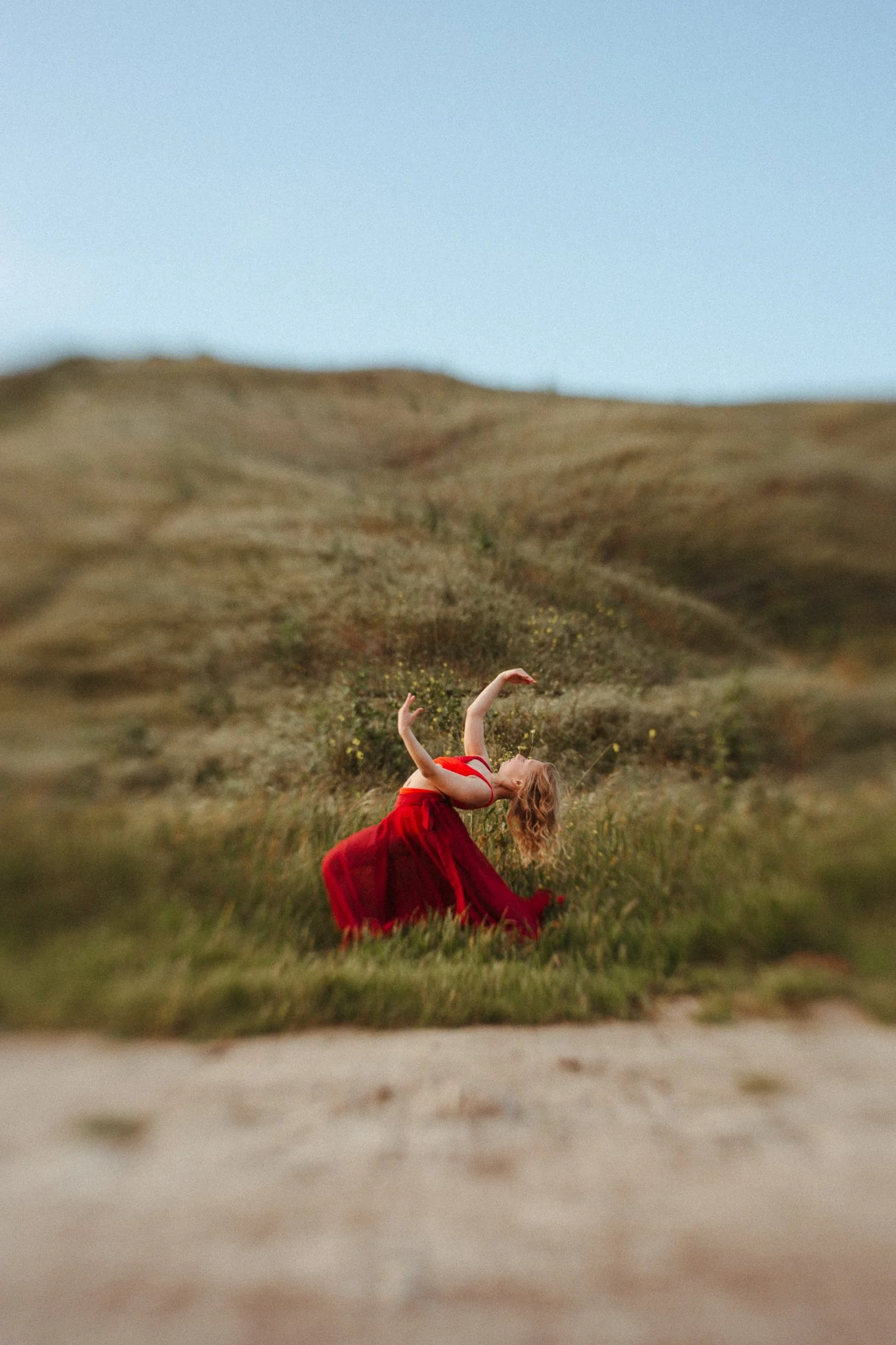
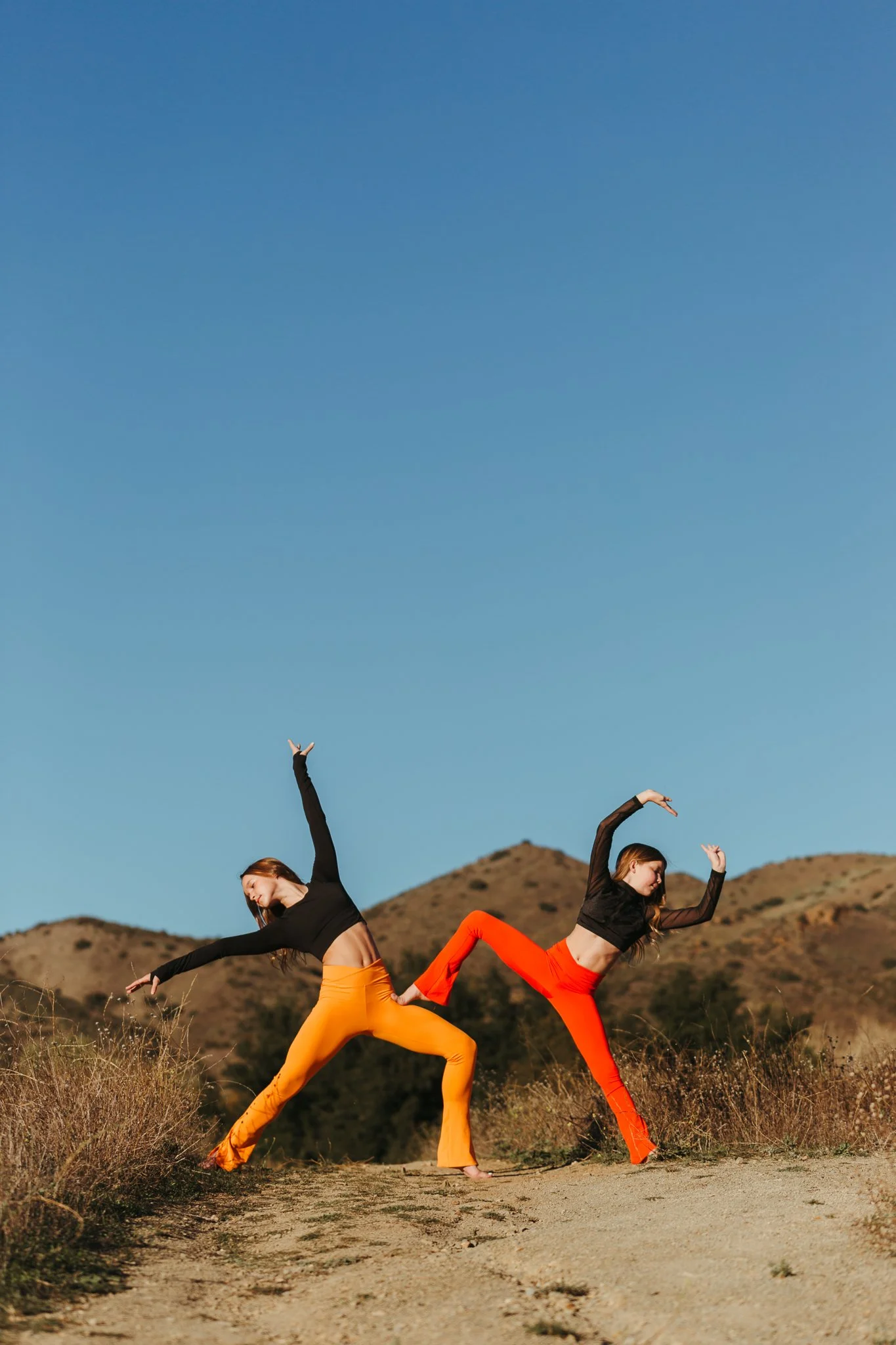
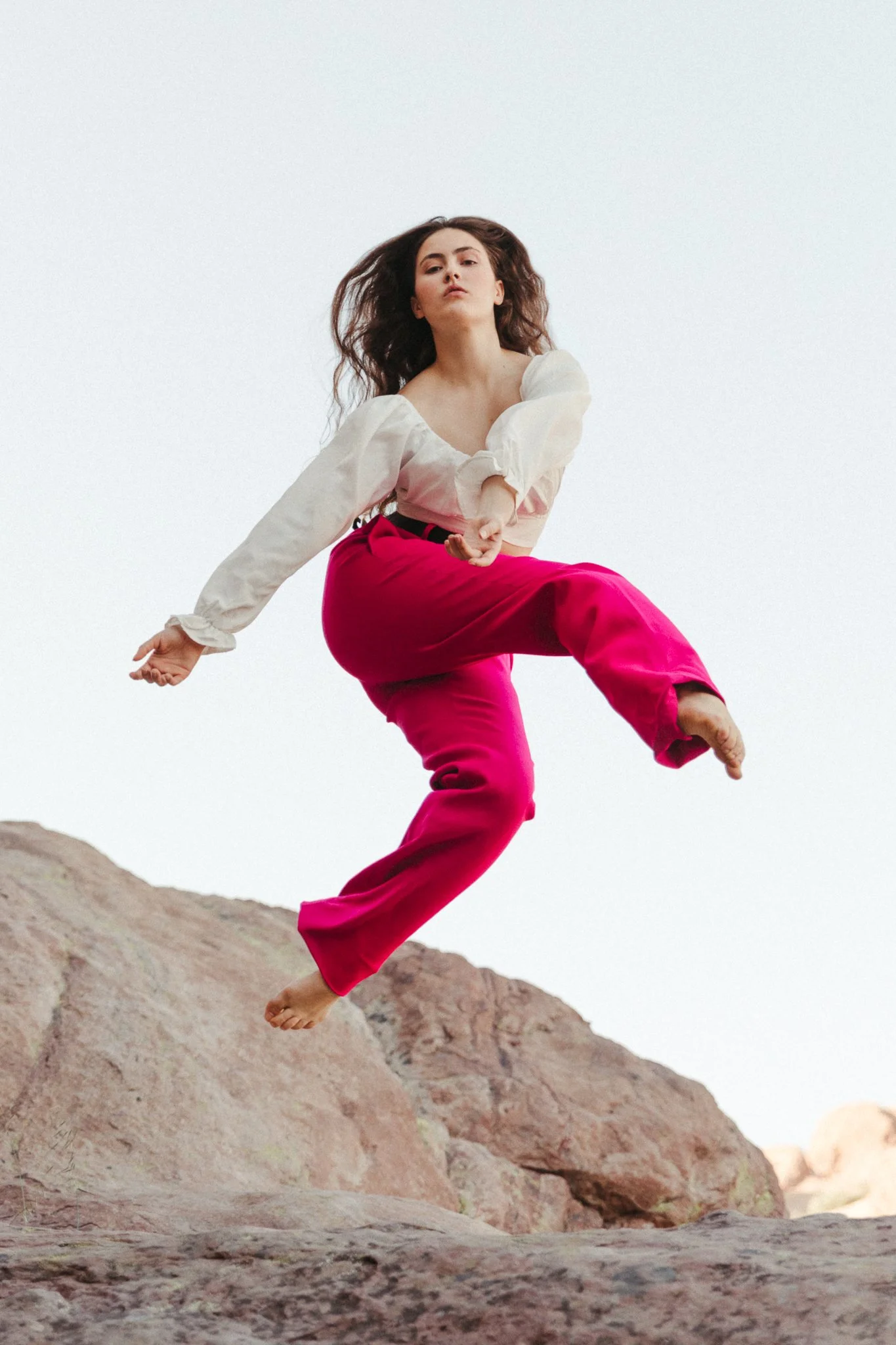
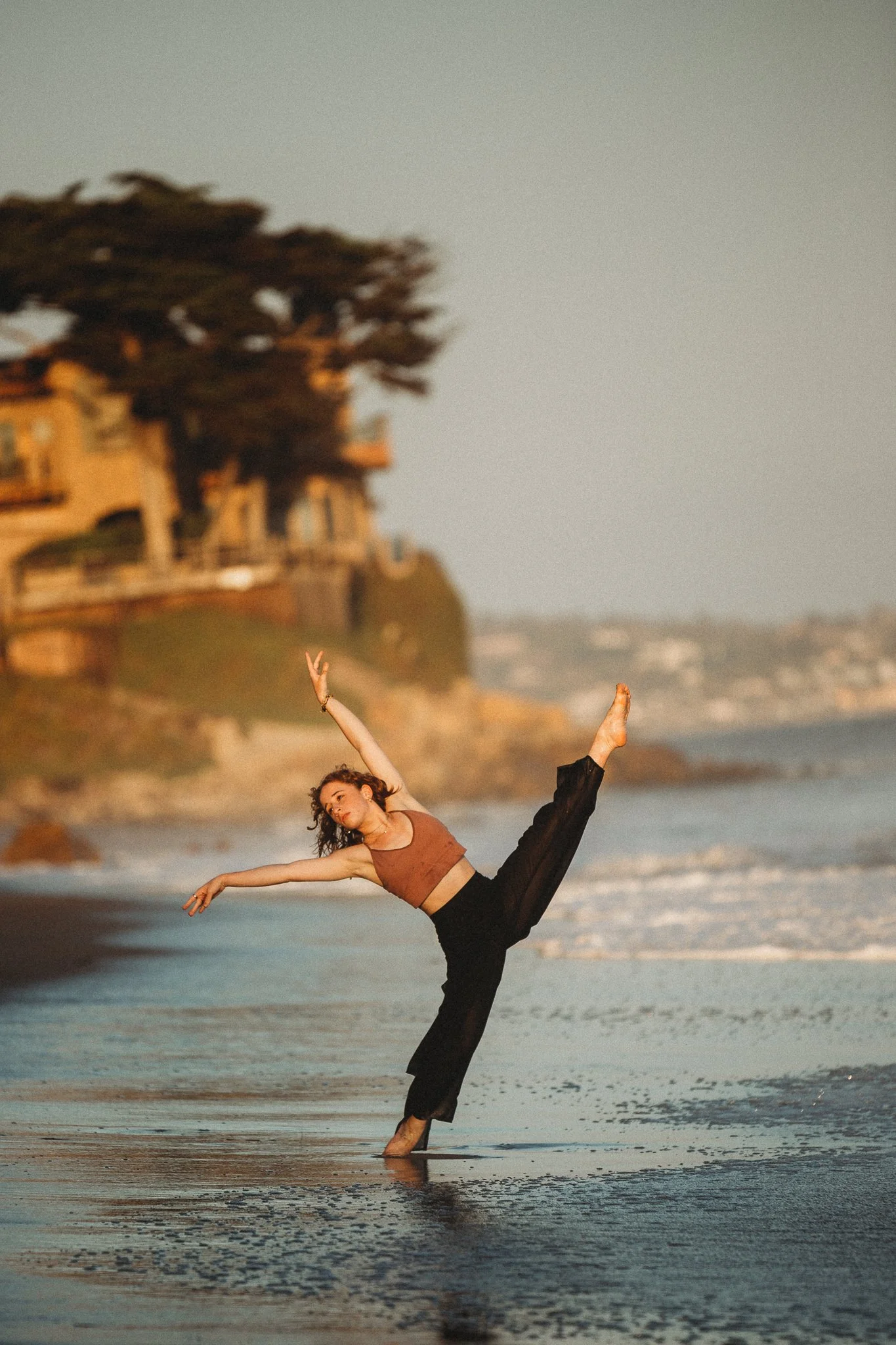
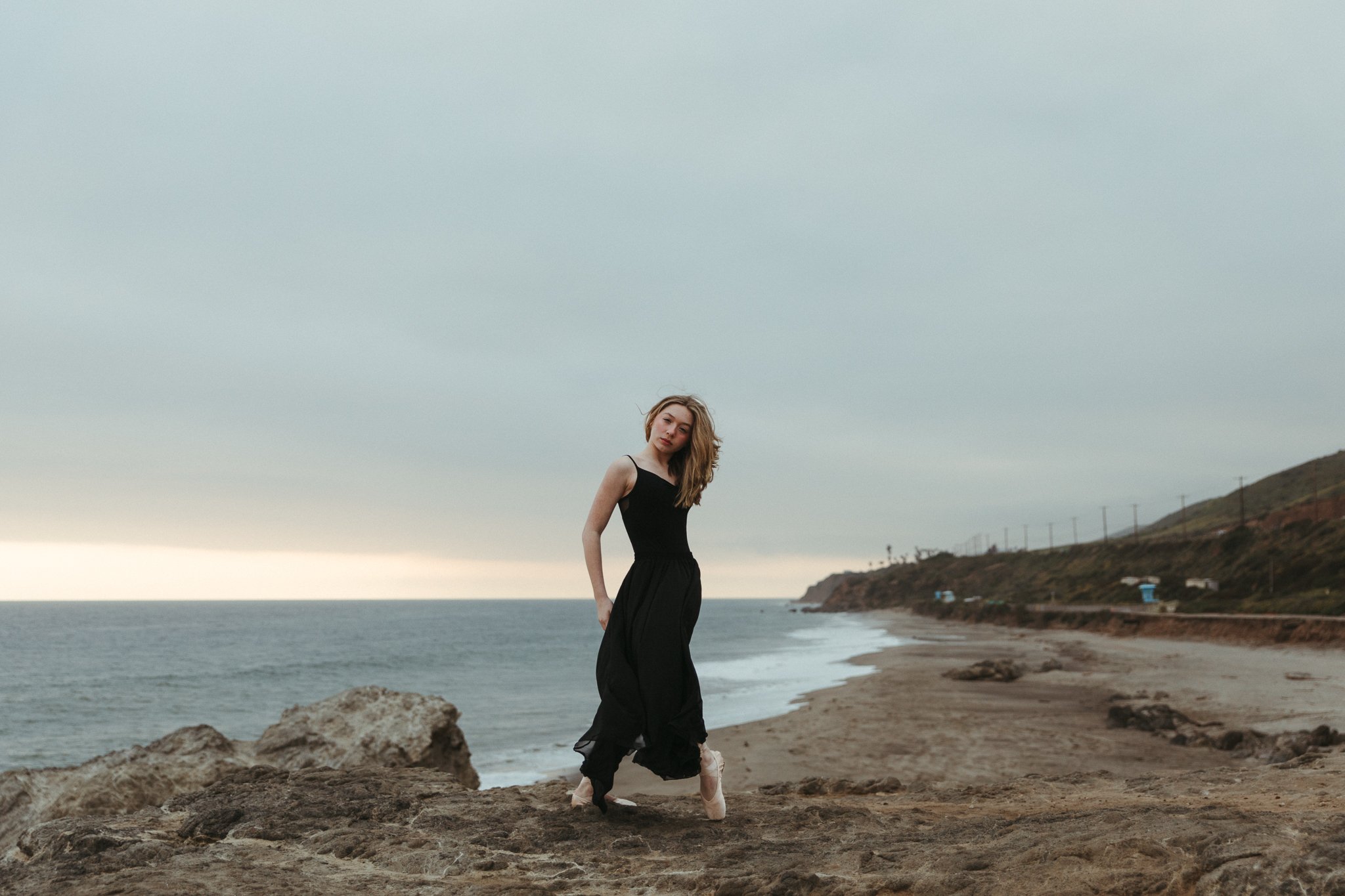
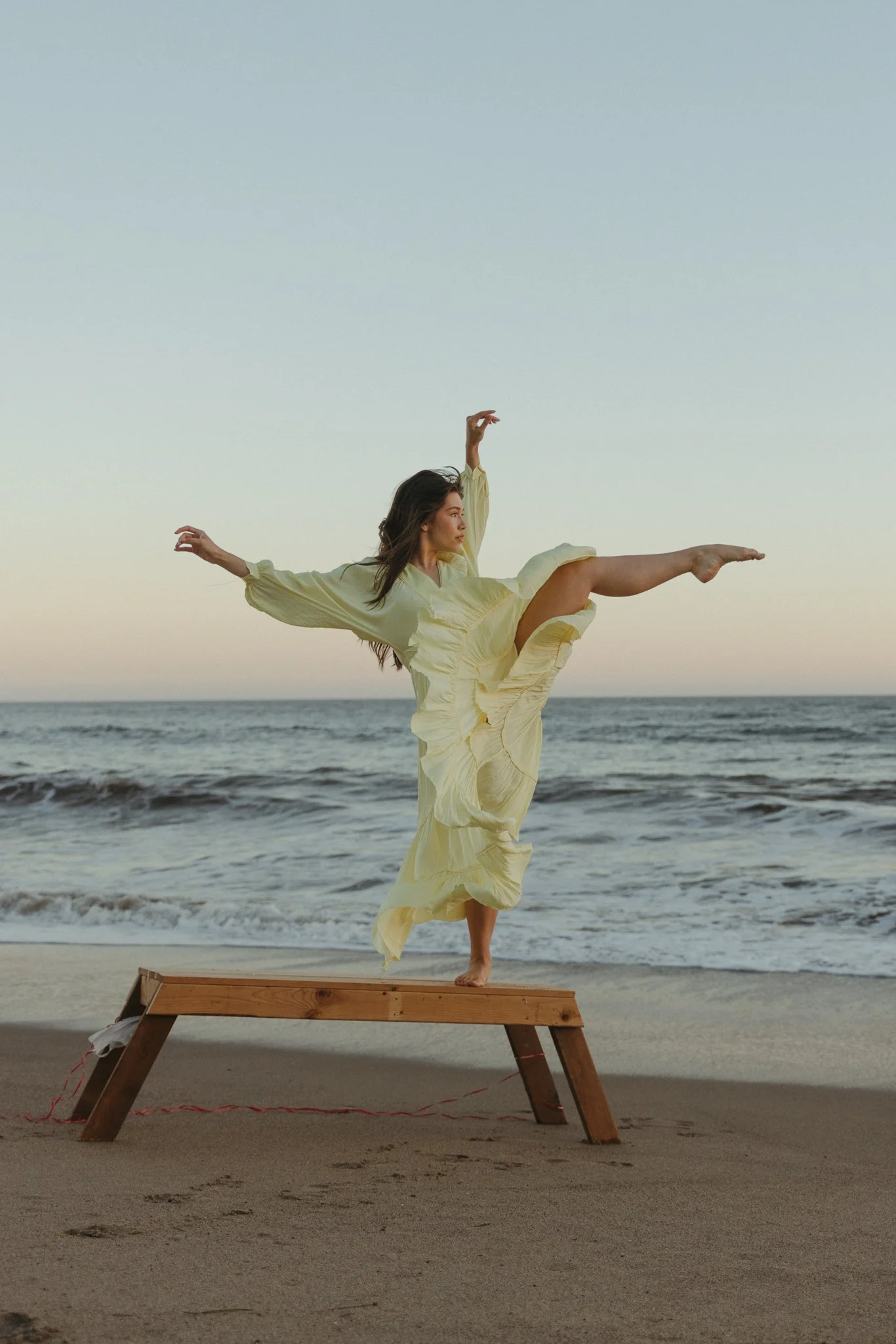
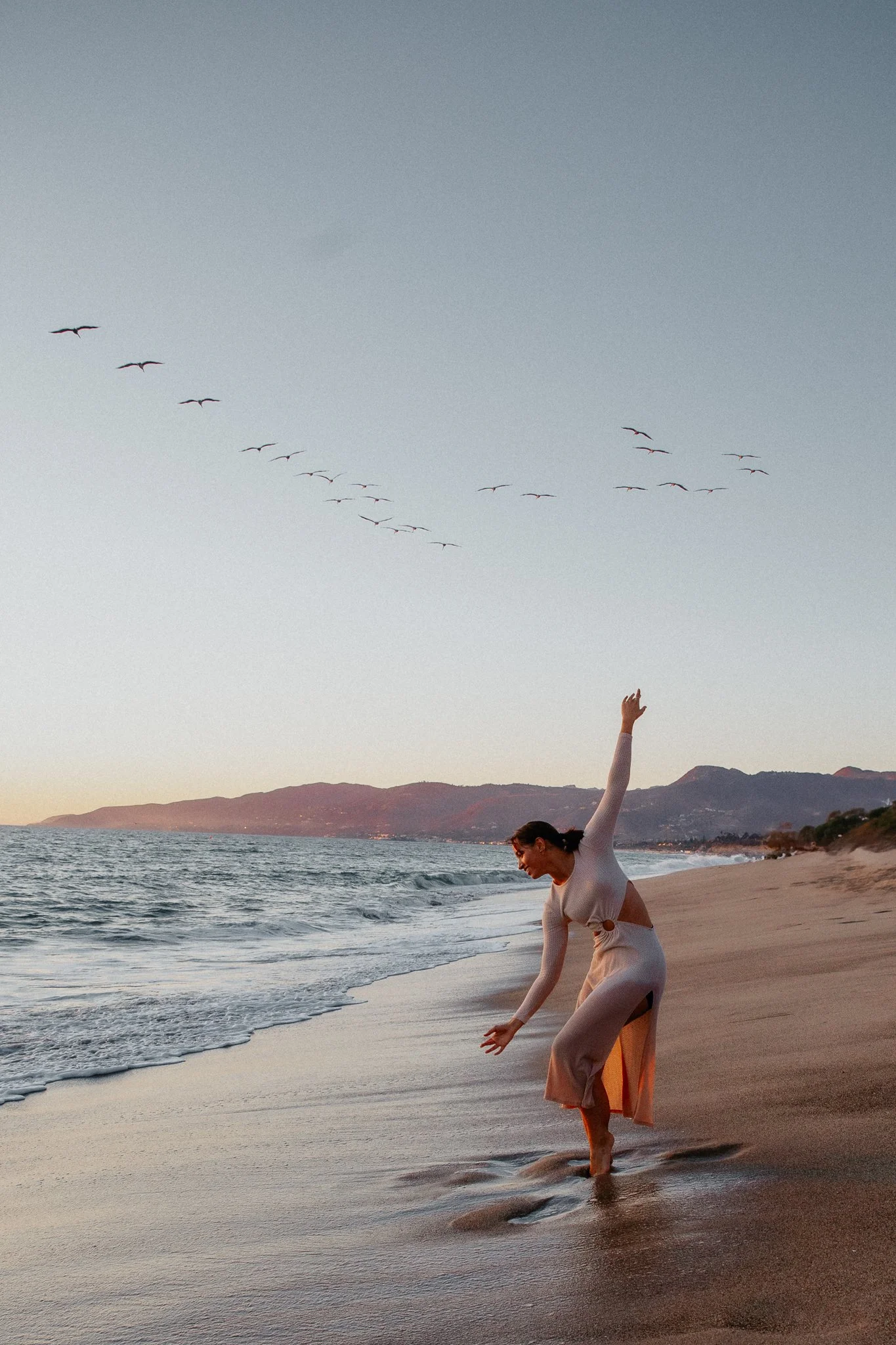
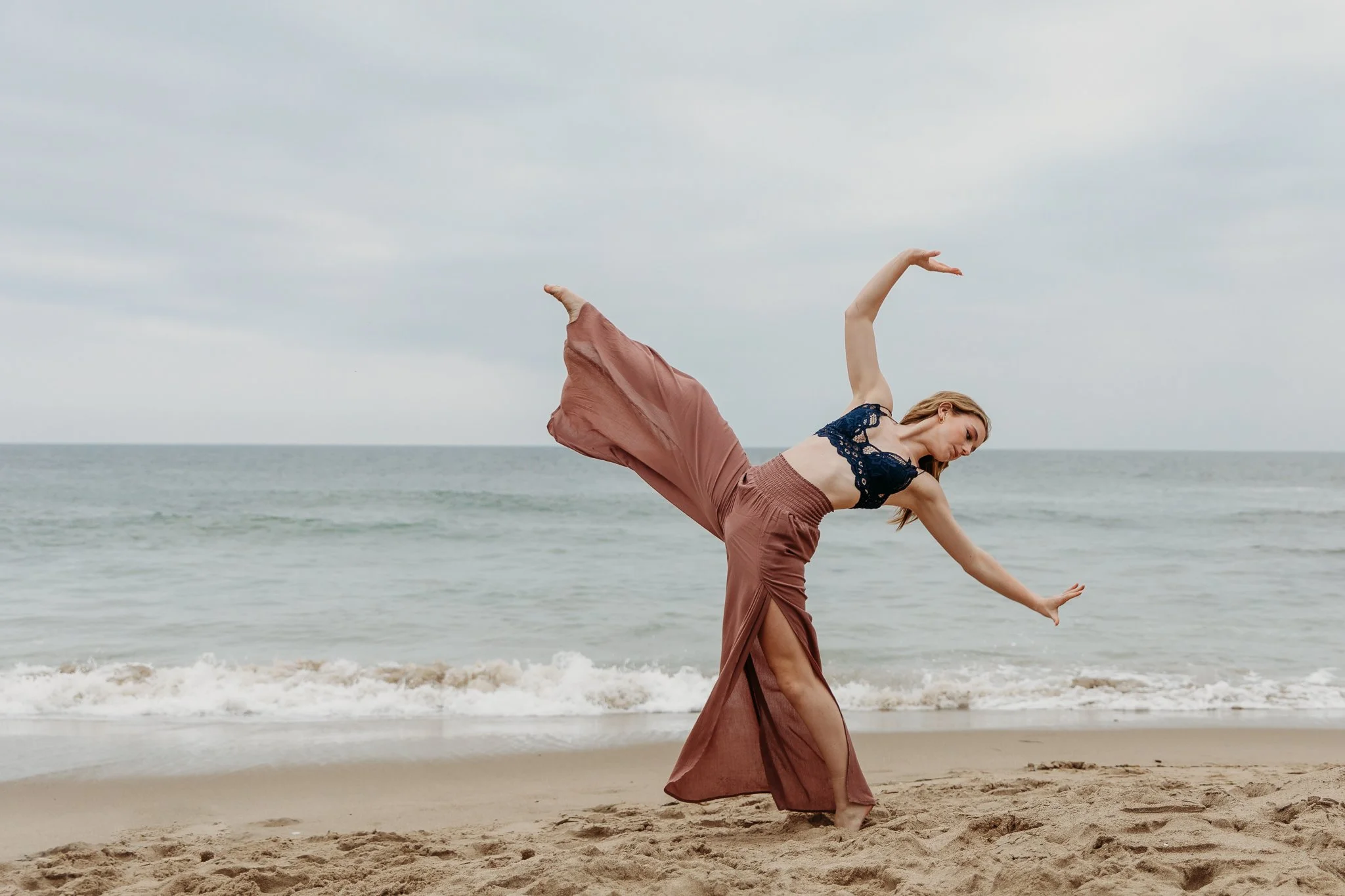
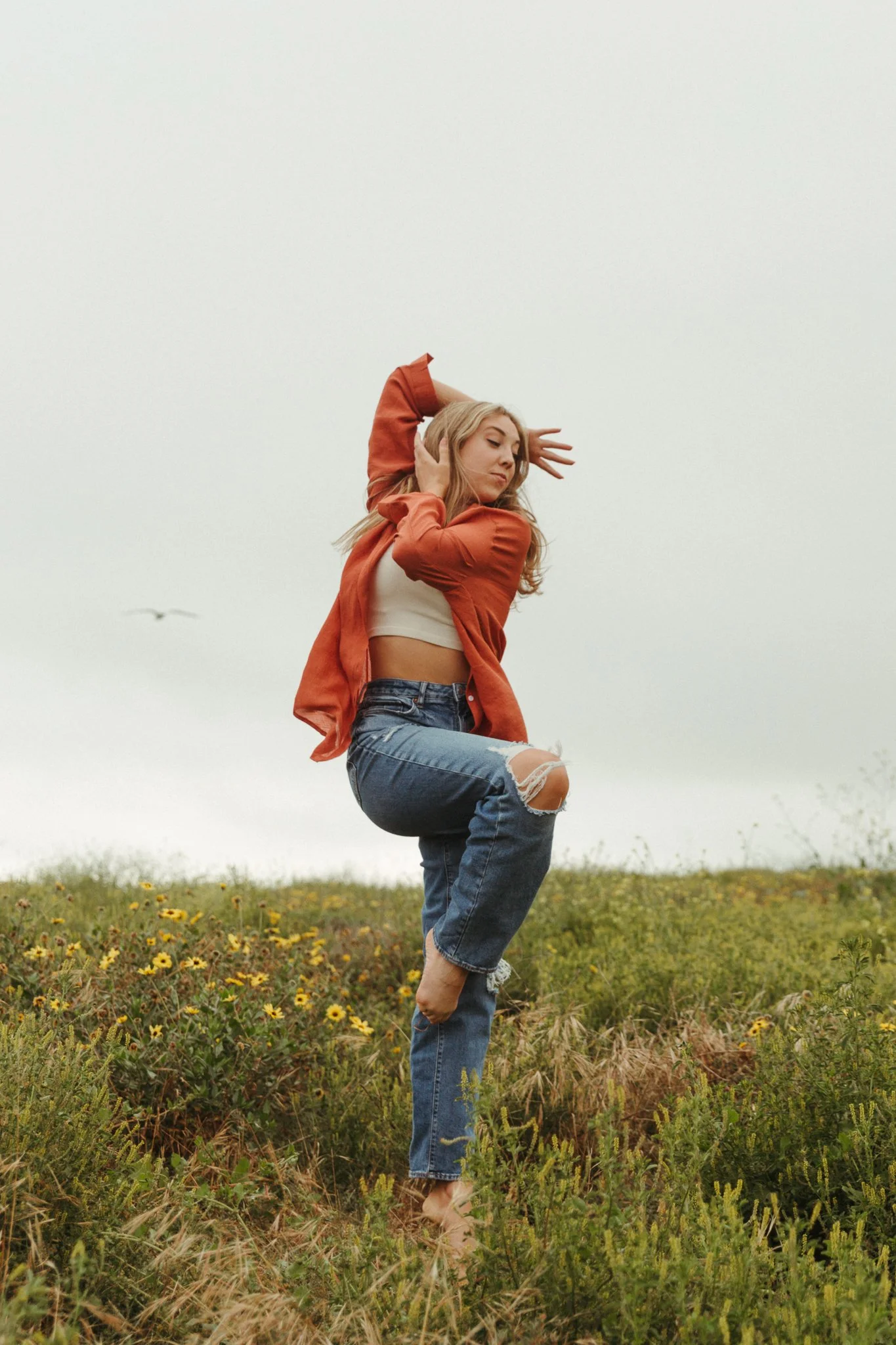
Dancer Tip: Soft, flowing fabrics echo nature’s rhythm. Earth tones and neutrals blend into the environment for serenity, while saturated colors like red or cobalt create bold contrast against natural backdrops.
Photographer Tip: Observe how colors interact with light and landscape. The same red dress that feels intense on concrete becomes poetic in golden grass. Wardrobe and setting should tell the same emotional story.
Understanding the Landscape: Los Angeles Through the Seasons
One of the things I love most about photographing dancers in Los Angeles is how dramatically the landscape shifts throughout the year. Unlike places with a single dominant season, LA offers a wide range of textures, tones, and moods depending on the time of year and what kind of season we are having.
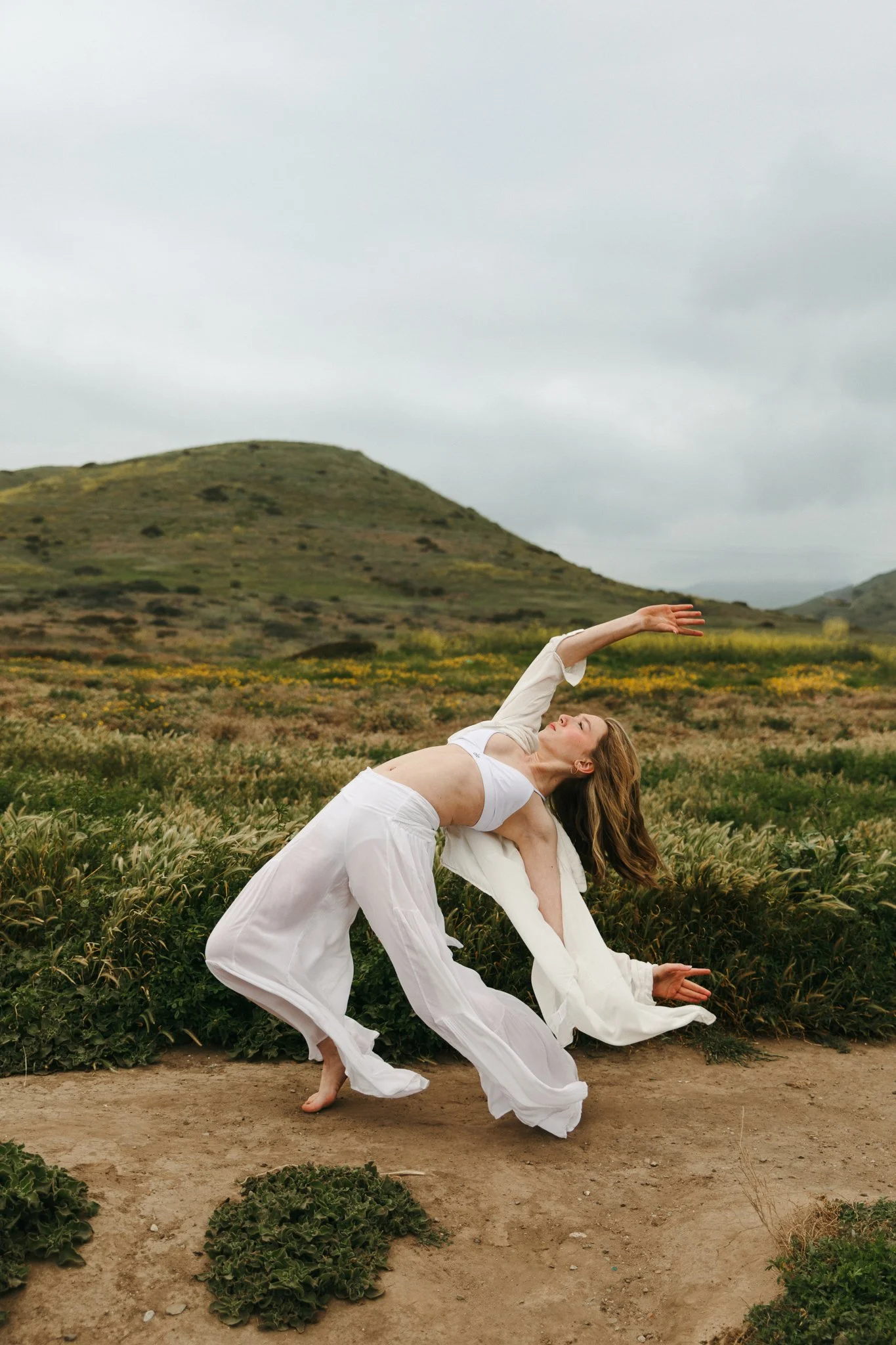
In winter and early spring, the hills and open spaces often burst into vibrant greens. Grasses are soft, lush, and full of life—creating a feeling of renewal and openness that pairs beautifully with expansive movement and light, airy emotion.
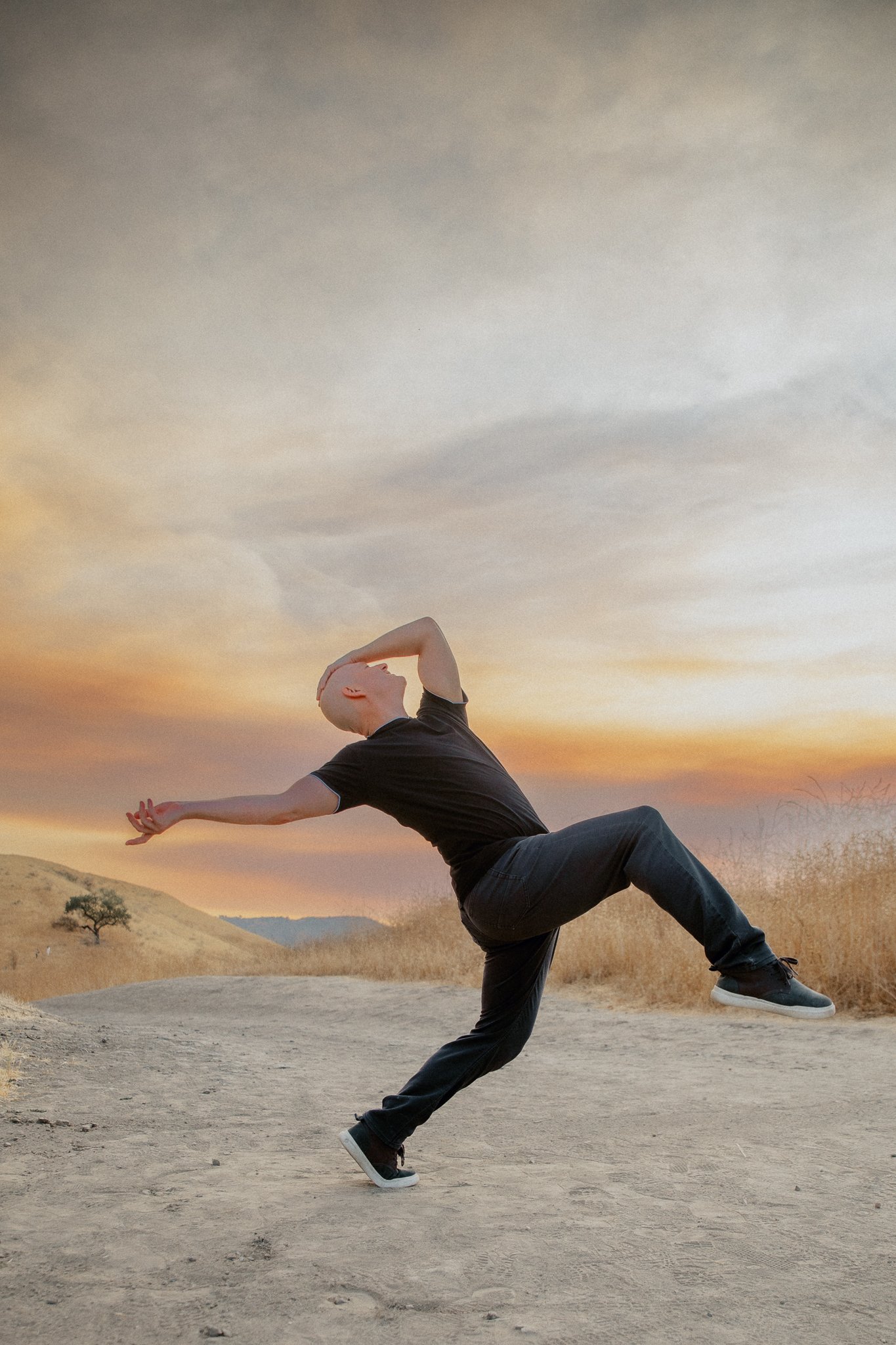
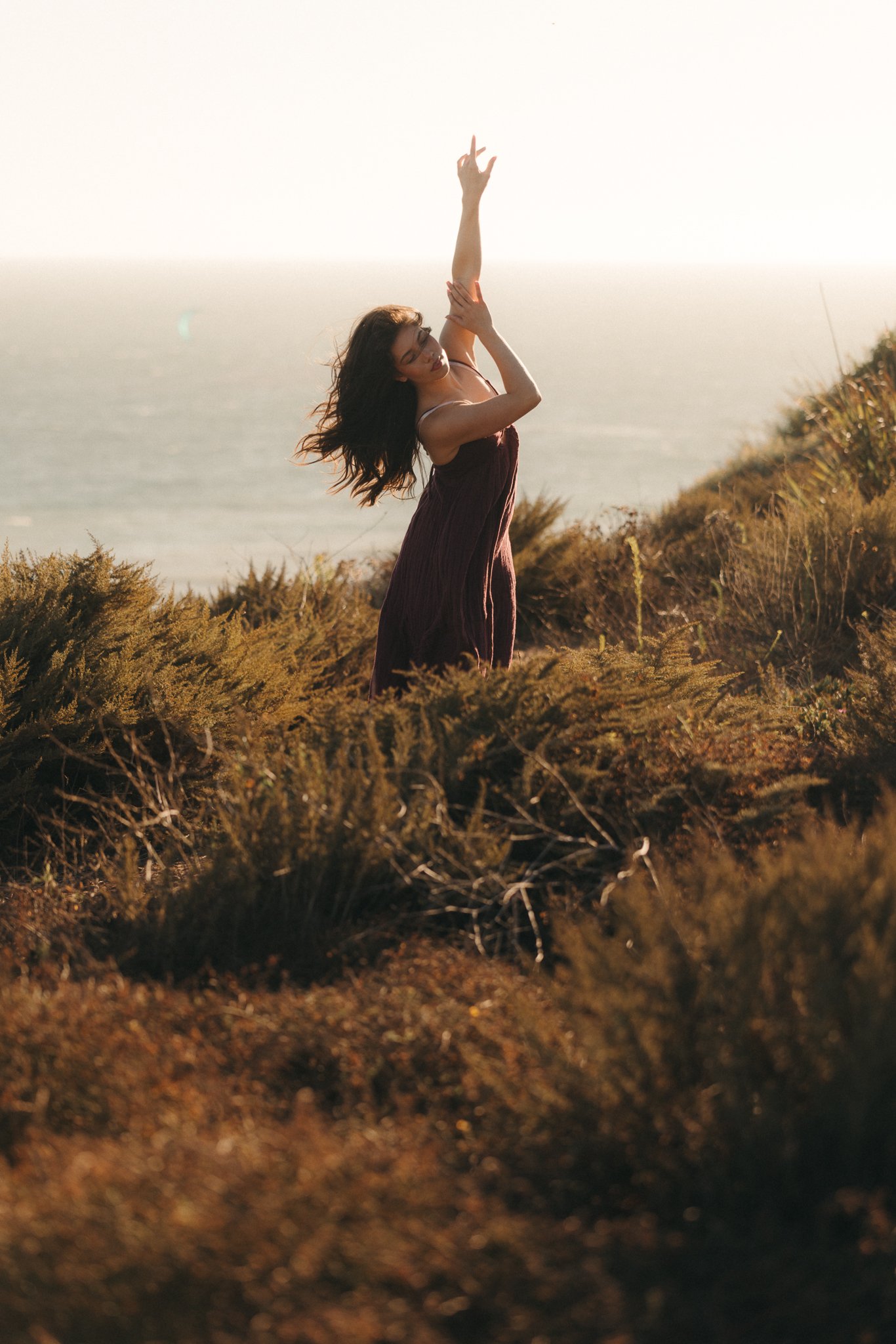
As the year moves into late spring and summer, those same landscapes transform. The grasses turn golden and brown, the earth becomes warmer and drier, and the mood shifts. These tones bring a sense of grounding, nostalgia, and quiet strength. While different from the lush greens, I find this season just as beautiful—more muted, more honest, and deeply cinematic in its own way. The images below show that change. (Of course time of day and cloud cover will also make a difference in color and overall feeling of the images)
The images above are both at a Malibu, CA beach at different times of year.
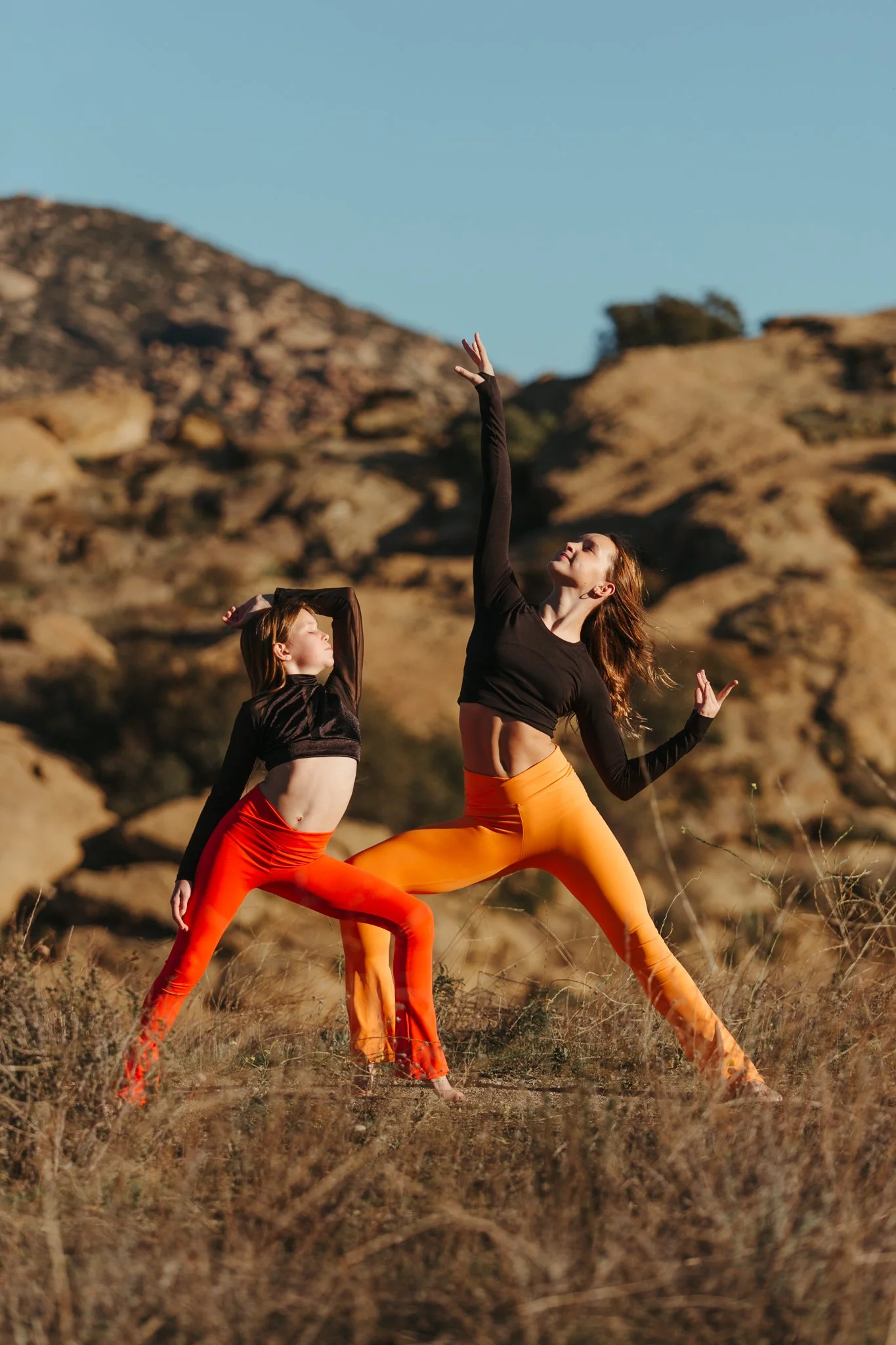
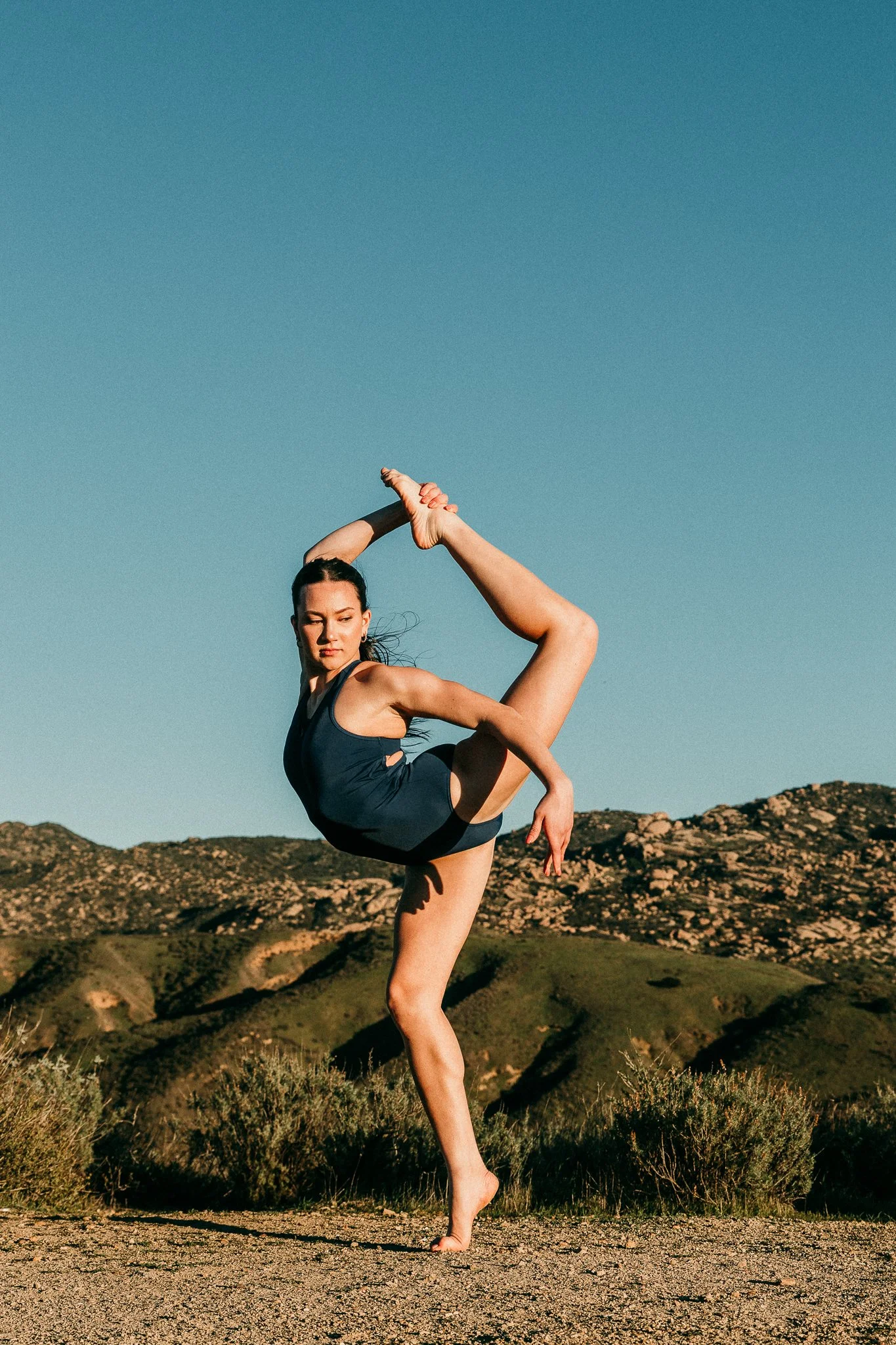
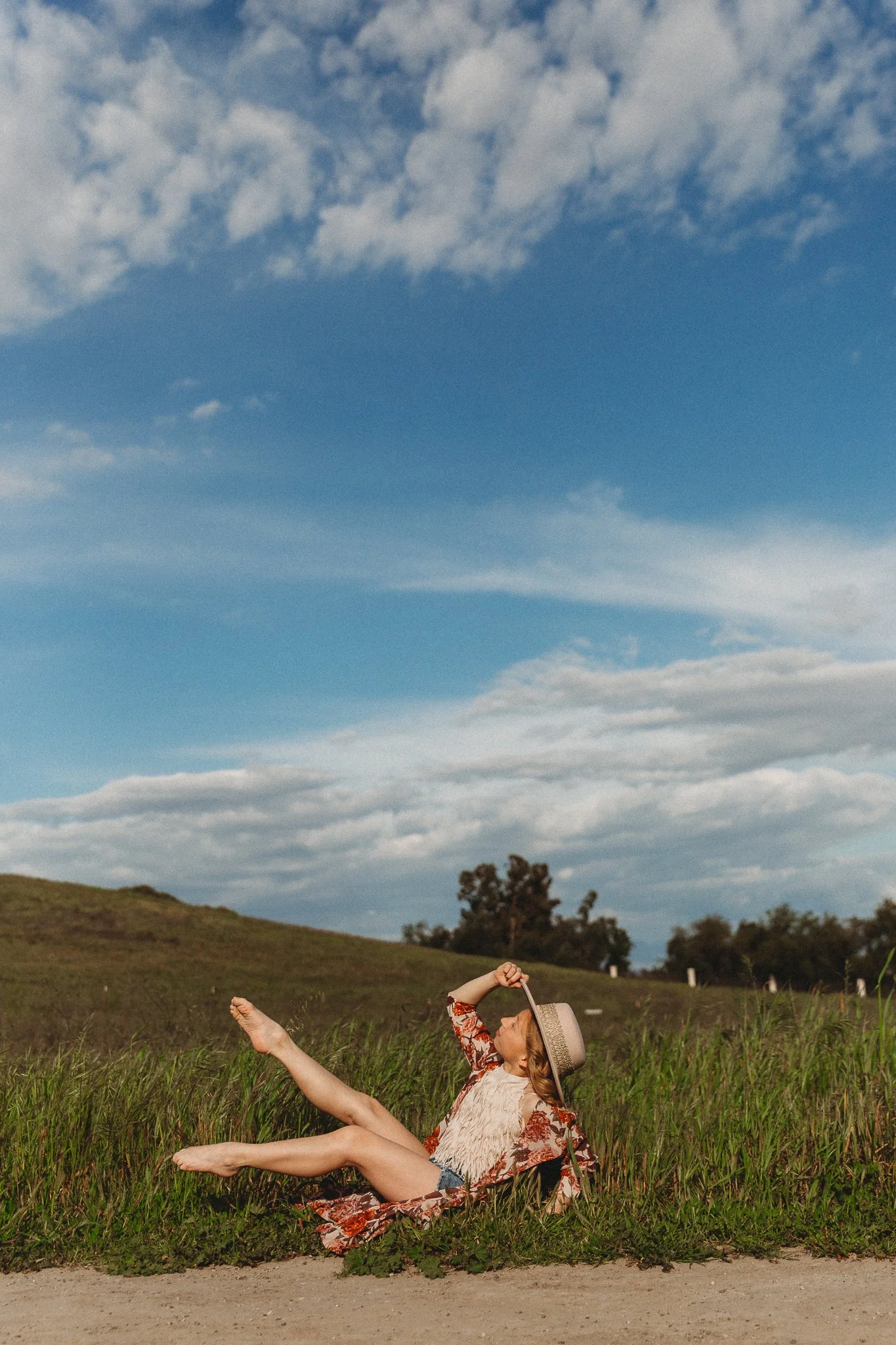
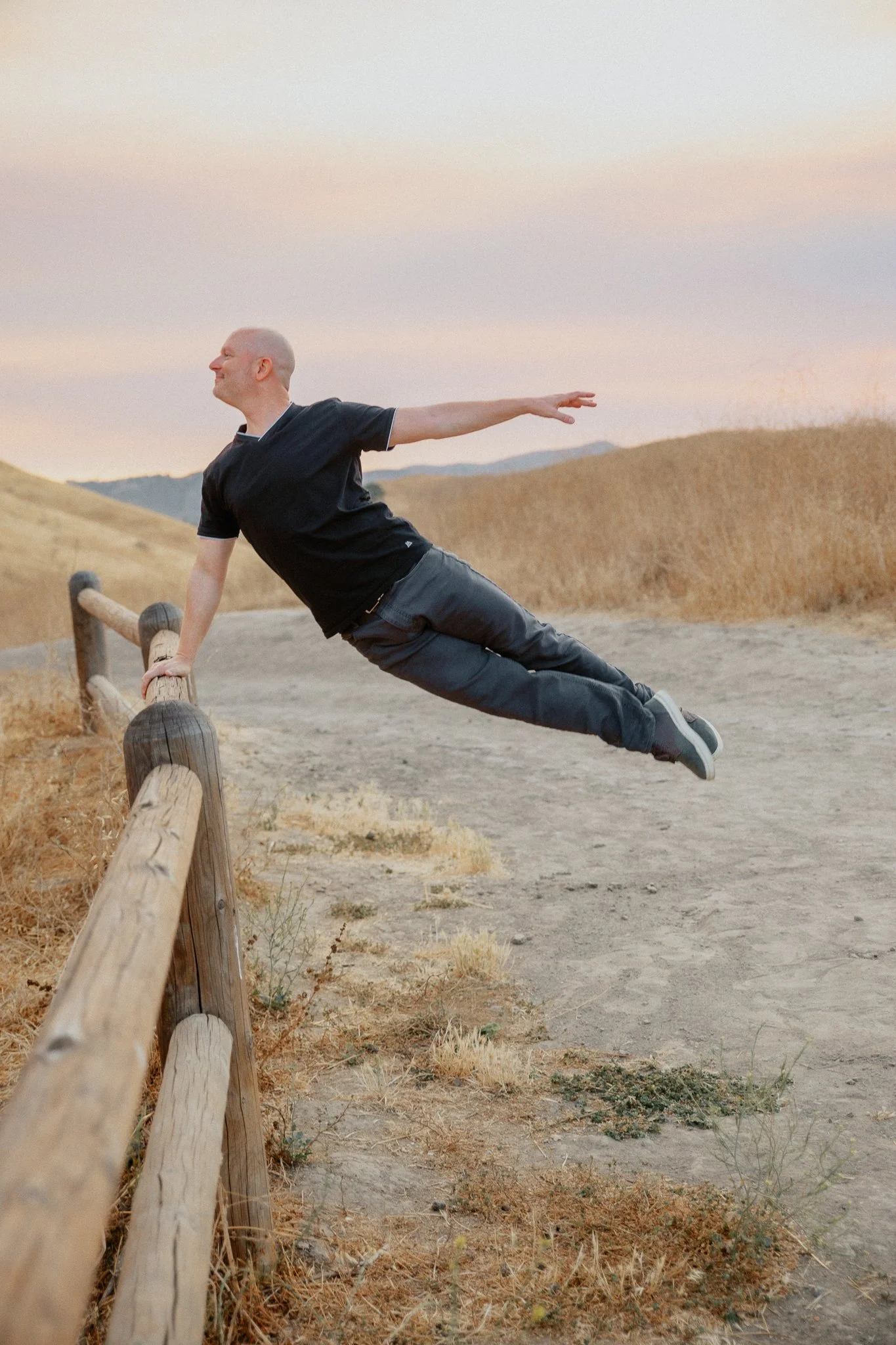
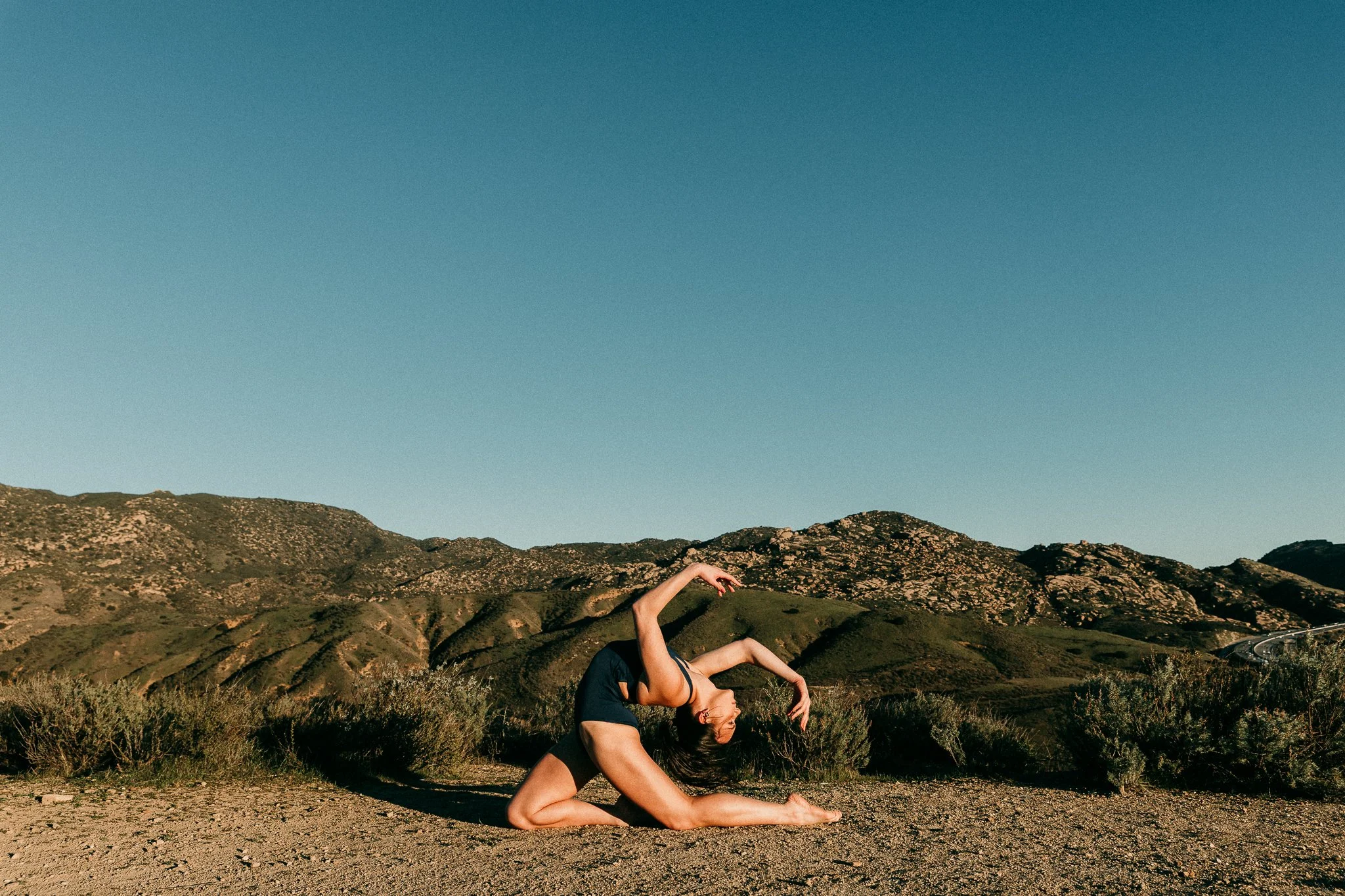
The images above are a location in Simi Valley, CA both in winter. The first image while Southern California was in drought, the second after a whole lot of rain.
Photographer Tip:
Pay attention to how seasonal color affects mood. Green landscapes often call for softness and openness, while golden or brown tones lend themselves to warmth, contrast, and storytelling rooted in resilience and stillness.
Dancer Tip:
Let the environment guide your emotion. A green field might invite freedom and expansion; a sun-warmed, golden hillside might inspire grounded movement and introspection. Neither is better—just different chapters of the same story.
Closing Thoughts
In nature, dance photography becomes a collaboration between three forces: the dancer, the photographer, and the environment. The best images don’t just show movement — they show connection.
The elements teach us to let go of control, to trust the moment, and to see beauty in imperfection. Whether on a windswept beach or in a quiet grove of grass, the dance becomes a conversation with the earth itself.
I would love to hear in the comments below, what kind of nature draws you in the most?
📸 Ready to create your own nature-inspired dance session?
Let’s bring your story to life, click the button below!